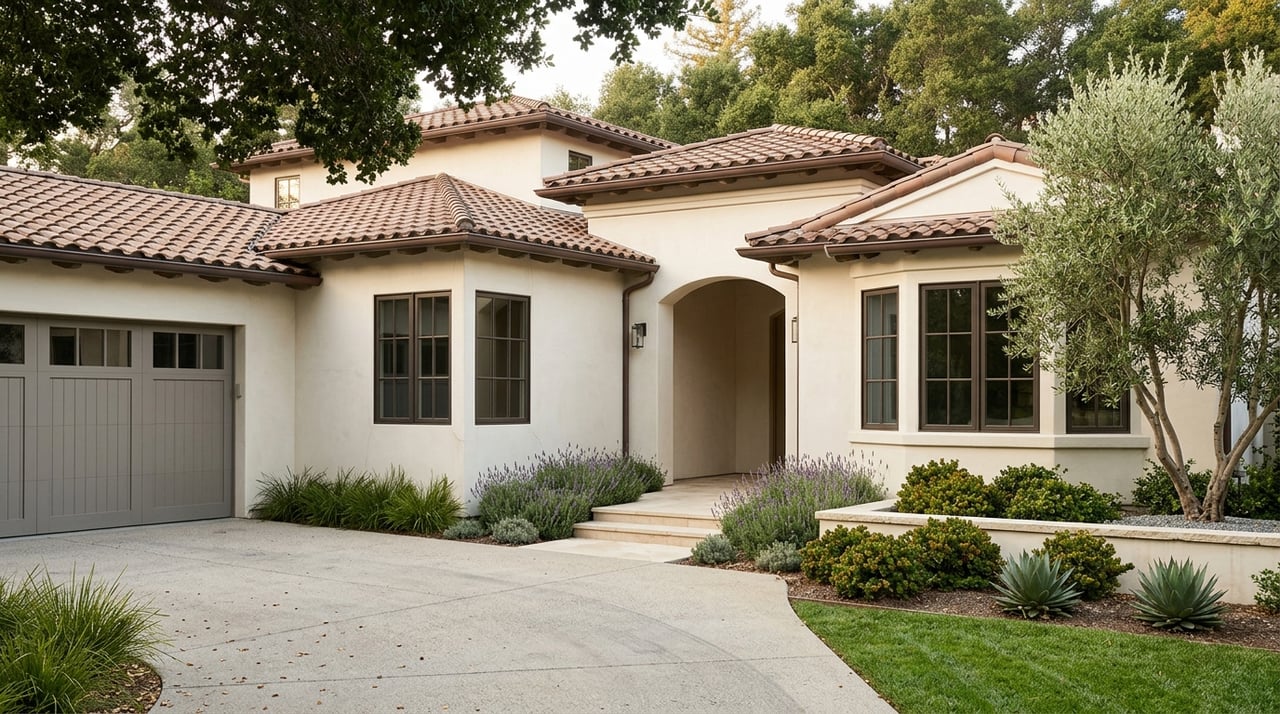
If you are thinking about moving up in La Cañada Flintridge, you are not just shopping for a bigger house. You are trying to improve how you live while navigating one of the priciest and most competitive markets in the area. That can feel exciting and stressful at the same time. This guide will help you understand what to expect, how to plan your timing, and which local details matter before you write an offer. Let’s dive in.
Why La Cañada Flintridge fits move-up buyers
La Cañada Flintridge is built for buyers who want more space, more privacy, and a detached-home lifestyle. Census data shows an owner-occupied housing rate of 86.9%, a median owner-occupied home value above $2,000,000, and a housing stock made up overwhelmingly of single-unit structures. Census Reporter shows about 96% of the city’s housing units are single-unit homes.
That matters if your next move is about changing your day-to-day life, not just changing your address. In many cities, moving up can mean trading into a townhome or denser housing type. In La Cañada Flintridge, it often means a larger single-family home, a bigger yard, or a lot with room for future projects.
For many buyers, the local public school structure is also part of the decision-making process. La Cañada Unified School District states that it serves about 4,000 students and includes three elementary schools, a 7/8 school, and a 9 through 12 high school serving the residential community of La Cañada Flintridge. If your move is tied to a longer-term household plan, that local structure may shape both timing and budget.
What homes are common here
La Cañada Flintridge is still centered on detached residential living. The city’s Land Use Element outlines a range of residential lot patterns, from medium-density areas with 5,000- and 7,500-square-foot lots to low-density areas with 10,000- and 15,000-square-foot lots, very low-density areas with 20,000- and 30,000-square-foot lots, estate residential with 40,000-square-foot minimum lots, and hillside residential with 10-acre minimum lots.
For you as a move-up buyer, that creates a wide range of possibilities. One move-up path may be a modest increase in interior square footage on a more standard lot. Another may be a jump into a larger parcel with more outdoor space, added privacy, or future flexibility.
The city also allows ADUs and JADUs in several zones, including R-1, R-3, RPD, Public and Semi-Public, Mixed-Use, and DVSP. The city does not allow short-term rentals for those units. If you are thinking about a future guest space, home office setup, or multigenerational use, it is smart to evaluate a property not just for what it is today, but for what it may support later.
How competitive the market is now
You should go into this market expecting real competition. Redfin reports that La Cañada Flintridge is a very competitive market, with homes receiving an average of 8 offers, selling in about 25 days, and reaching a median sale price of $2,548,475 for the three months ending May 2026. Redfin also reports that 62.4% of homes sold above list price.
A separate Realtor.com snapshot for May 2026 shows a median listing price of $2,799,000, 54 active listings, a median 39 days on market, and a 100% sale-to-list ratio. These numbers track different parts of the market, so they should not be read as exact matches. Still, together they point to the same reality: well-positioned homes can draw strong interest quickly.
That is especially important if you are targeting updated homes in desirable locations within the city. In a competitive segment, the best homes often reward buyers who are prepared early, not buyers who wait until a perfect listing appears.
Build your budget beyond the mortgage
One of the biggest move-up mistakes is focusing only on the purchase price. Your monthly and upfront costs may rise in several directions at once, especially in a higher-value foothill market.
The CFPB notes that homeownership costs can include property taxes, insurance, HOA dues, maintenance, and repairs. It also states that closing costs typically run about 2% to 5% of the purchase price. On a move-up purchase in La Cañada Flintridge, that is a meaningful number.
Insurance deserves special attention here. The city states that the entire city is within the Very High Fire Hazard Severity Zone, and the Pasadena Quadrangle earthquake fault zones include La Cañada Flintridge. Because of that local risk profile, an insurance quote should be part of your early due diligence, not an afterthought.
CFPB guidance suggests getting an informal insurance estimate before committing to a house. In this market, that step can help you understand true carrying costs before you remove contingencies or stretch your budget.
Should you sell first or buy first?
For many move-up buyers, this is the hardest planning question. The right answer depends on your cash position, risk tolerance, and how much flexibility you have on timing.
The CFPB says that if you want to move, you normally try to sell your current home first before buying another one. That approach can reduce financial pressure because you know your sale proceeds before you commit to the next purchase. It can also help you avoid carrying two homes at once.
Buying first may still make sense in some cases, but it usually requires more liquidity and a stronger tolerance for uncertainty. If you need to buy before you sell, the CFPB describes bridge or swing loans as temporary financing repaid with proceeds from your current home sale. That is not a default solution, but it can be worth discussing with your lender if timing is tight.
A simple framework can help:
- Sell first if you want clearer finances and less overlap risk
- Buy first if you have the funds and need more control over your move timing
- Explore bridge financing if the right house may appear before your current home closes
In a premium market like La Cañada Flintridge, your plan should be realistic, not just optimistic. If your next purchase depends on proceeds from your current sale, build that strategy before you start making offers.
Get preapproved before you shop seriously
Preapproval is a starting point, not a formality. The CFPB recommends getting preapproved before shopping seriously, and it notes that a preapproval letter is not a guaranteed loan offer and typically expires after 30 to 60 days.
That timeline matters in a market where good homes can move quickly. If you begin touring homes with an old or weak preapproval, you may lose valuable time when a strong listing hits the market. A current preapproval also helps you set a realistic ceiling before emotions take over.
For move-up buyers, preapproval should also account for your full financial picture. If your purchase depends on a home sale, reserve funds, or temporary financing, your lender conversation should happen early and in detail.
Which contingencies matter most
Competitive markets can make buyers feel pressure to give up protections too soon. That pressure is real, but so are the risks.
The CFPB recommends making your purchase offer contingent on financing and a satisfactory inspection. It notes that if a contract is contingent on a satisfactory inspection, you can cancel without penalty if the inspection is not acceptable. The CFPB also notes that if an appraisal comes in below the contract price, you may need to renegotiate or review the appraisal carefully.
In La Cañada Flintridge, contingencies are not just about the house itself. They can also protect you while you verify local issues that may affect cost, insurability, or future plans.
Before removing contingencies, make sure you have reviewed:
- The inspection results and any major repair concerns
- Your financing terms and lender conditions
- Insurance pricing and availability
- The appraisal, if required by your loan
- Natural hazard disclosures provided in the transaction
- Any city permit or expansion questions if future improvements matter to you
The right strategy is not always the shortest contingency timeline. It is the timeline that gives you enough room to verify what matters most.
Local checks before you commit
La Cañada Flintridge has local conditions that deserve extra attention during escrow. The city states that sellers and agents provide a Natural Hazard Disclosure Statement. In a foothill setting, that disclosure is especially important because hazard exposure can affect insurance, maintenance planning, and your comfort level with the property.
If you are thinking about remodeling, adding an ADU, or changing the site over time, you should also look at the city process early. La Cañada Flintridge uses an online permit system, and ADU or JADU approvals can involve plan review, setbacks, sewer connection checks, parking standards, and tree-preservation rules. For some R-1 tree removals, the city requires replacement planting.
That does not mean future projects are off the table. It means a property with expansion potential should be evaluated carefully before you assume your plans will be simple or fast.
A smart move-up plan for this market
In a market like La Cañada Flintridge, success usually comes from preparation more than speed alone. You want a clear budget, a lender strategy that fits your timing, and a strong understanding of what kind of home and lot will truly improve your lifestyle.
You also want to stay practical. A move-up home should solve real needs, whether that means more living space, better flow, a larger lot, room for future projects, or less compromise in your day-to-day routine. When you know your priorities and your limits, you can move decisively without feeling reckless.
If you are considering a move-up purchase in La Cañada Flintridge, working with a local team that understands foothill inventory, pricing pressure, ADU questions, and the details that affect escrow can make the process much calmer. When you are ready to map out a sell-and-buy strategy, connect with Megan Ferrell for tailored guidance.
FAQs
What kinds of homes are most common in La Cañada Flintridge?
- Most housing is detached single-family housing. Census Reporter shows about 96% of the city’s housing units are single-unit structures, and the city’s land-use framework includes a range of low-density and estate-style residential lots.
How large are lots in La Cañada Flintridge?
- Lot sizes vary by land-use designation. The city identifies residential areas with minimum lots from 5,000 and 7,500 square feet up to 10,000, 15,000, 20,000, 30,000, and 40,000 square feet, with some hillside residential areas at 10-acre minimum lots.
How competitive is the La Cañada Flintridge housing market?
- Recent market data shows a premium and competitive market. Redfin reports homes receive about 8 offers on average and sell in about 25 days, while Realtor.com reports a 100% sale-to-list ratio in its May 2026 snapshot.
Should a move-up buyer sell first before buying in La Cañada Flintridge?
- Often, yes. The CFPB says buyers normally try to sell their current home first before buying another one, though some buyers may discuss bridge or swing loan options with their lender if they need to buy first.
Which contingencies matter for a La Cañada Flintridge home purchase?
- Financing and inspection contingencies are important. CFPB guidance says buyers should consider making the offer contingent on financing and a satisfactory inspection, and you should also review appraisal, insurance, and hazard-related issues before removing protections.
What local risk factors should buyers check in La Cañada Flintridge?
- The city states that the entire city is in the Very High Fire Hazard Severity Zone and that earthquake fault zones include La Cañada Flintridge. Buyers should review natural hazard disclosures and get an early insurance estimate as part of due diligence.
Can you add an ADU to a home in La Cañada Flintridge?
- In many cases, yes, depending on zoning and site conditions. The city allows ADUs and JADUs in several zones, but approvals can involve plan review, setbacks, sewer connection checks, parking standards, and tree-preservation rules.