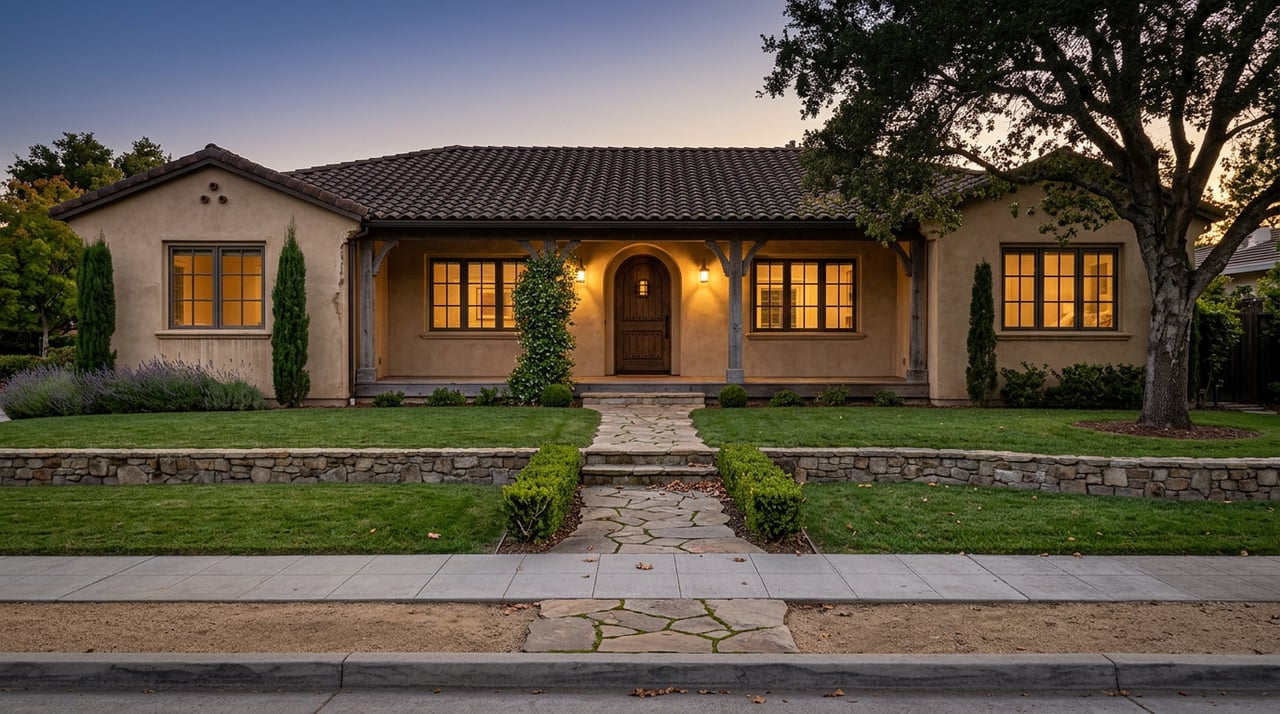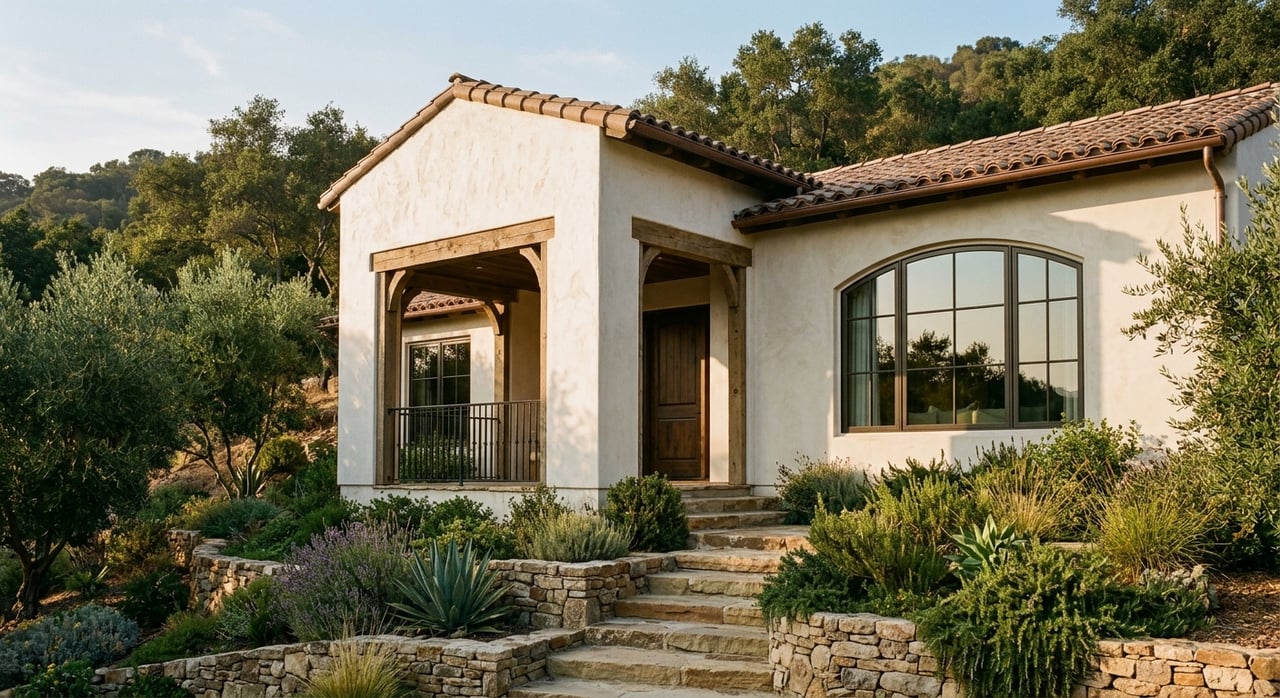
If you are dreaming about a foothill home with sweeping mountain views, Altadena can feel like a rare find. But buying a view home here is not just about the photo-worthy outlook. You also need to understand how the lot sits, what the county allows nearby, and whether that view will still feel special years from now. Let’s dive in.
Why Altadena view homes stand out
Altadena’s foothill setting gives many homes a strong sense of place. In this market, the view is often part of the daily living experience, not just a bonus from one bedroom window.
Many of the area’s view properties also come with features that make the setting more usable, such as porches, decks, courtyards, broad windows, French doors, pools, mature landscaping, and in some cases guest houses or ADU potential. In the foothills, those details matter because they shape how often you actually enjoy the home’s setting.
Los Angeles County rules also play a big role here. Because Altadena is unincorporated and covered by the West San Gabriel Valley Area Plan, county zoning, hillside, fire, and preservation standards often affect what can be built, expanded, screened, or rebuilt.
What view homes cost in Altadena
Current listing snapshots show that Altadena view homes generally command a premium over the broader local market. Recent search snapshots show about 20 Altadena mountain-view listings with a median list price of $1.5 million, while the wider 91001 view-home search shows 92 listings at a median list price of $1.59 million.
That stands above Altadena’s broader recent median sale price of about $1.1 million, although it is important to remember that asking prices and closed sale prices are not the same thing. Still, the numbers suggest that buyers are paying up for scenery, site quality, and the foothill lifestyle.
Entry-level and value-add options
View homes can still appear below $1 million. Current examples include listings around $697,000 and $949,000.
At that end of the market, some homes are clear fix-up opportunities. If you are shopping in this range, it helps to look beyond the price tag and ask what the renovation path might look like under local rules.
Core move-up price range
A large share of Altadena’s move-up view inventory tends to cluster around roughly $1.35 million to $1.8 million. Current examples include homes listed around $1.398 million, $1.399 million, $1.499 million, $1.699 million, $1.745 million, $1.78 million, and $1.799 million.
For many buyers, this is the sweet spot where you may find a stronger mix of usable outdoor space, better view orientation, updated interiors, and lot sizes that support privacy.
Estate and upper-tier homes
At the top of the market, view properties can move well into the mid-$2 million range and beyond. Current examples include listings around $2.395 million, $2.495 million, and a gated private estate at $3.999 million.
These homes are often competing on more than the view alone. Site scale, privacy, architecture, and the quality of the indoor-outdoor layout usually become major value drivers.
What buyers should expect from the housing stock
Altadena’s view-home inventory spans a wide age range. Many homes date from the 1910s through the 1950s, with a mix of single-story and two-story properties, while the market also includes rebuilt homes and new construction.
Current examples range from a 1917 Colonial Revival on a 13,860-square-foot lot to a rebuilt 2025 single-story home on a 10,591-square-foot lot and a 2026 compound on a 9,985-square-foot lot. That variety is part of Altadena’s appeal, but it also means no two properties should be evaluated the same way.
In many cases, the lot matters just as much as the house. A home on a roughly 9,000 to 14,000-square-foot parcel may offer more flexibility for outdoor living, privacy planning, and how the view is experienced across the property.
How local rules affect your view
One of the most important things to understand is that Altadena’s Community Standards District is designed to keep new and expanded structures compatible with surrounding neighborhoods. The rules are also meant to protect light, air, and privacy while minimizing hillside visual impacts.
That matters because your view is shaped not only by your own lot, but also by what can happen on nearby parcels. If you are buying for the view, local standards should be part of your due diligence from day one.
Height and massing rules
In R-1 zones, the Altadena CSD caps height at 35 feet on lots of 20,000 square feet or larger and 30 feet on smaller lots and flag lots. The code also sets gross structural area or lot coverage at 0.25 times the net lot area plus 1,000 square feet, with a maximum cap of 9,000 square feet.
These limits can influence whether neighboring homes have room to build upward in ways that may affect sightlines. They can also shape what you could do if you hope to expand, rebuild, or add an ADU later.
Hillside siting and grading
In hillside management areas, grading should be limited to the pads needed for structures. Terracing and retaining walls are expected to blend with the contours, and buildings should be screened from downslope viewpoints.
For buyers, that means topography is not just a design feature. It is part of how a property fits the land and how durable the view may be over time.
Ridgeline protections
The CSD also protects significant ridgelines by requiring the highest point of a structure to sit at least 50 vertical feet and 50 horizontal feet from a significant ridgeline. This can be especially relevant if you are evaluating a home near higher ground.
A protected ridgeline does not guarantee every sightline will stay untouched, but it can help you understand where future building may be more constrained.
Privacy matters as much as the view
A beautiful outlook does not always mean a comfortable home. In Altadena’s foothills, privacy is often tied to lot depth, landscaping, and elevation rather than simply adding a tall fence.
That is because front-yard fence and wall rules can limit how screening is achieved. In some front-yard areas, anything above 42 inches must be open and non-view-obscuring or paired with live plantings.
If privacy is high on your list, pay close attention to how the house sits on the lot. A well-positioned home can feel calm and secluded even when fencing options are limited.
How to judge view durability
Not all views carry the same long-term value. Research on scenic views suggests that visual accessibility matters, meaning the premium tends to be stronger when the view is broad, easy to enjoy, and integrated into daily life.
In practical terms, the strongest candidates are often homes where the view is visible from living spaces, kitchens, outdoor seating areas, and more than one room. A dramatic view from a single hallway window is far less compelling than one that shapes your whole experience of the property.
Questions to ask before you buy
When you tour a foothill home, keep these questions in mind:
- Is the view broad enough to enjoy from the rooms and outdoor areas you will use every day?
- Could a neighboring or downslope parcel reasonably change that view later?
- Does the lot provide privacy through siting, landscaping, and topography?
- If you want to expand the home or add an ADU, would the plan fit local height, grading, and hillside standards?
These questions can help you separate a home with a nice backdrop from a property with lasting value.
Fire-zone due diligence in the foothills
Foothill buying also means paying attention to fire-zone requirements. Los Angeles County Fire maps Fire Hazard Severity Zones using factors such as fuels, fire history, terrain, and weather.
In county fire jurisdiction, new construction, remodels of 50 percent or more, certain accessory structures over 120 square feet, parcel splits, and subdivisions in Fire Hazard Severity Zones can require fuel-modification plan approval before permits or land division are approved.
County guidance also emphasizes defensible space, including up to a 100-foot radius around the home, along with home-hardening measures such as non-combustible fencing. If you are considering a remodel, rebuild, or future outdoor project, these standards should be part of your planning.
Historic character can affect future plans
Altadena has a meaningful historic-resource footprint. According to the County, the community includes County landmarks, a pending historic district, and properties that may be eligible for local, state, or national recognition.
For you as a buyer, that can be a real advantage if you value architectural character and legacy appeal. It can also mean that exterior alterations, expansions, or demolition may follow a different approval path if the home is designated or located within a historic district.
This is especially important with older foothill homes. Charm and long-term project flexibility do not always line up in the same way, so it helps to understand both before you commit.
What supports long-term resale
Studies on scenic and natural-landscape views generally point to a positive price effect, but the premium is not fixed. One single-family housing study found an average 3.4 percent price premium tied to visual accessibility of scenic lands, while other research shows that the value of a view can shift with the housing cycle.
In Altadena, the best long-term resale story is likely tied to more than scenery alone. The strongest properties usually combine a credible, hard-to-block view with privacy, usable outdoor space, and a layout that makes the setting part of daily living.
That is why a careful purchase strategy matters. A well-sited foothill home can be compelling at both purchase and resale, but the real value often comes from how the lot, code constraints, and lifestyle features work together.
If you are considering a view home in Altadena’s foothills, the right guidance can help you look beyond the listing photos and evaluate what truly supports value over time. Megan Ferrell offers thoughtful, local guidance for buyers who want a polished, well-informed approach to the San Gabriel Valley market.
FAQs
What is the typical price range for a view home in Altadena?
- Current listing snapshots show view homes ranging from under $1 million for some value-add opportunities to the mid-$2 million range and beyond for rebuilt or estate-style properties, with many move-up homes clustering around roughly $1.35 million to $1.8 million.
What local rules matter when buying a foothill home in Altadena?
- Los Angeles County rules are especially important because Altadena is unincorporated, and the Altadena Community Standards District affects height, massing, grading, privacy, ridgeline setbacks, and hillside visual impacts.
How can you tell if an Altadena view is likely to last?
- Look for views that are broad, visible from daily-use spaces, supported by the property’s topography, and less vulnerable to future neighboring construction based on local height and siting rules.
Do fire-zone rules affect buying or remodeling a view home in Altadena?
- Yes. In Fire Hazard Severity Zones, certain new construction, major remodels, some accessory structures, parcel splits, and subdivisions may require fuel-modification plan approval, and county guidance also emphasizes defensible space and home-hardening measures.
Are older Altadena view homes subject to historic-preservation rules?
- Some are. The County says Altadena includes landmarks, a pending historic district, and properties that may qualify for recognition, so designated properties or homes within historic districts may face added review for exterior changes or demolition.