Buying a home in Monrovia from miles away can feel like a leap of faith. You may be relying on listing photos, video calls, and digital paperwork while trying to make a confident decision in a city where block-by-block differences can matter. The good news is that a smart remote purchase is absolutely possible when you focus on address-level verification, not just a beautiful online presentation. Let’s dive in.
Why Monrovia requires extra care
Monrovia is a foothill city in the San Gabriel Valley, about 20 miles northeast of Los Angeles and 8 miles east of Pasadena. The city describes Old Town as the heart of the community and highlights its historic, small-town character. For you as a remote buyer, that means the search should stay very specific to the property and surrounding block, not just the city name.
That street-level focus matters because one address may come with different practical considerations than another. A home’s historic status, zoning, permit history, and wildfire exposure can all shape what ownership looks like. In Monrovia, remote buying works best when convenience is paired with careful local verification.
Start with the exact address
When you are shopping from afar, it is easy to fall in love with a listing before you fully understand the property itself. In Monrovia, the exact address should guide your due diligence from day one. That includes school boundaries, zoning, permit records, hazard maps, and any city rules tied to the home.
Monrovia Unified School District offers an address-based SchoolSite Locator, and the district says the most accurate lookup is the county district and precinct map tool. The district also notes that assignments are boundary-based, not general neighborhood-based. If school assignment matters to your move, verify the exact address before you write an offer.
There is also a timing issue to keep in mind. The district’s homepage says the board approved the consolidation of Santa Fe Computer Science Magnet School and Clifton Middle School, with Santa Fe closing beginning in August 2026 for the 2026-27 school year. If your move lines up with that period, re-check school assignment details for your actual move year.
Look beyond listing photos
Beautiful listing photos are helpful, but they are not enough for a remote purchase. The California Department of Real Estate advises buyers to evaluate location, lot size, proximity to services, special taxes or assessments, and the home’s electrical, plumbing, and structural condition. A polished gallery may show finishes well, but it rarely tells you the whole story.
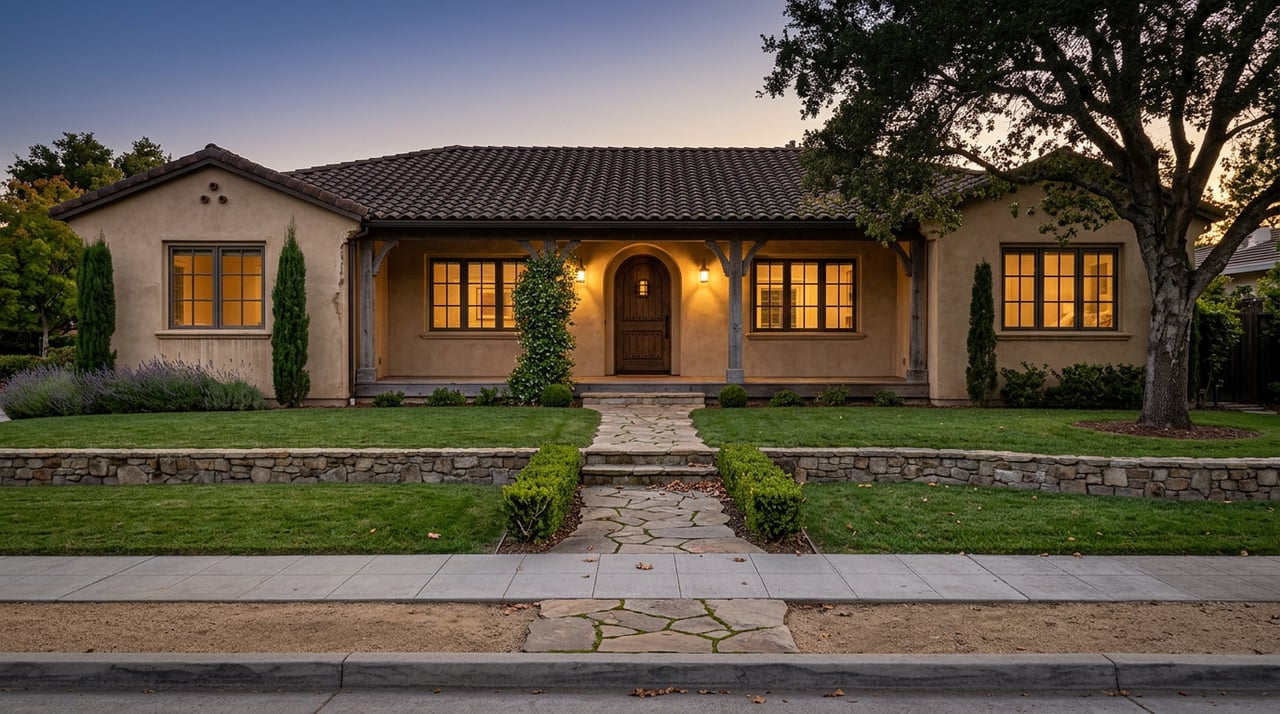
A strong remote showing should give you a full sense of the property in context. You want to see the approach to the home, the street in both directions, parking setup, front setback, side yards, rooflines, yard drainage, garage or storage areas, and how the house sits in relation to neighboring properties. In Monrovia, those details matter even more because site conditions and neighborhood rules can affect future plans.
If you are reviewing a live or recorded video tour, ask for an uncut walkthrough whenever possible. That helps you understand flow, light, sightlines, and any visible wear without relying only on curated angles. It also gives you a better read on exterior conditions that can be easy to miss in still photos.
Check historic status and remodeling limits
Monrovia has a strong preservation framework. The city says there were 164 historically significant properties as of January 1, 2024, and planning staff handles historic landmarks, Mills Act contracts, and Certificates of Appropriateness. The city also uses a Neighborhood Compatibility Ordinance and a Demolition Review Ordinance to regulate size, placement, and major changes to homes in established neighborhoods and older structures.
For you, that means future plans should be part of the buying decision now. If you are thinking about an addition, ADU, major remodel, or exterior changes, do not assume those plans will be simple after closing. The property may have design or review requirements that affect what can be built and how long approvals may take.
The city’s zoning resources can help here. Monrovia says its official zoning map identifies every property and divides the city into zoning districts, and the city’s “About My House” page links an interactive zoning map and zone-specific standards. For remote buyers, zoning is not just background information. It is a practical filter.
Review permits before you commit
A remote buyer cannot afford to guess whether a remodel was done with proper approvals. Monrovia’s “About My House” page says building permits and planning approvals are available online through the city’s document portal or by public-records request. The city also notes that older permit records from 1911 through 1947 are in its Permit Book.
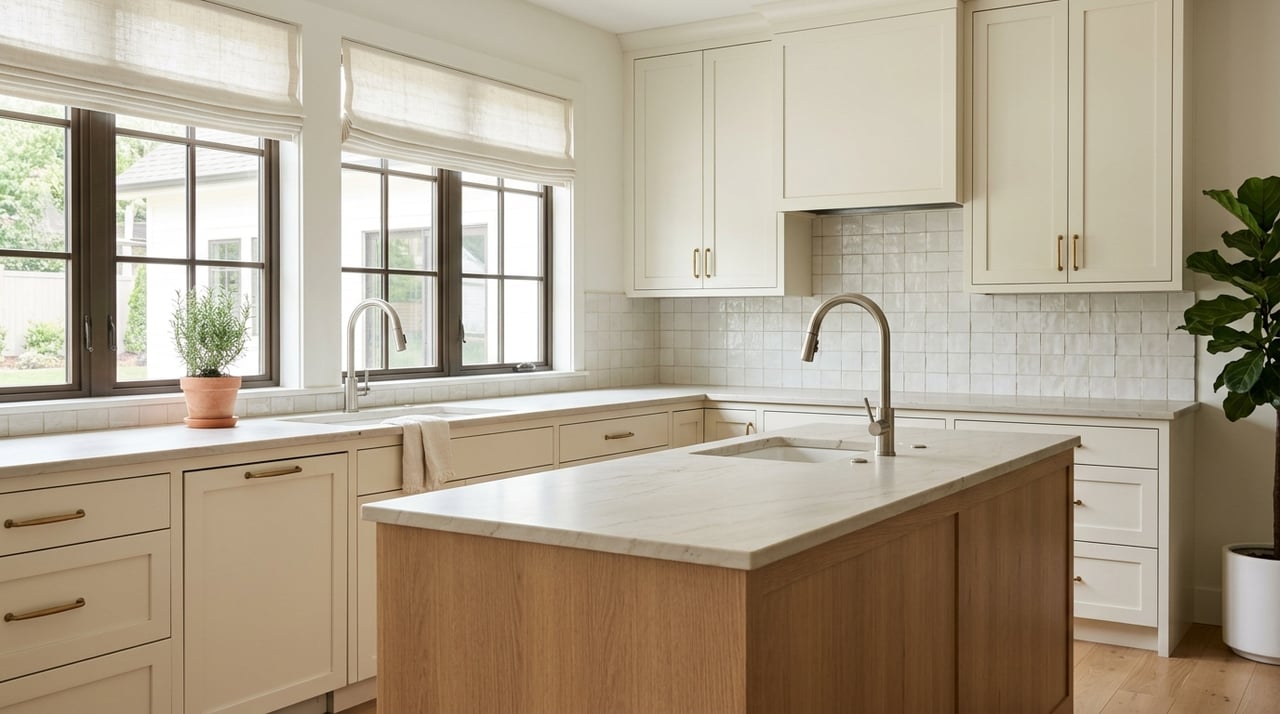
That makes permit research a very useful part of your due diligence. If a home has an updated kitchen, expanded primary suite, detached structure, garage conversion, or ADU potential, you want to know what the records show. In a city with older housing stock and preservation rules, permit history can be just as important as cosmetic condition.
Ask wildfire and insurance questions early
Monrovia is a wildland-urban interface community, and that matters in a remote purchase. The city says Cal Fire updated Fire Hazard Severity Zone maps in 2025. Because hazard status can vary by address, it is wise to check this early in the process rather than late in escrow.
California’s Natural Hazard Disclosure framework covers hazards including flood, dam inundation, very high fire hazard, wildland fire risk, earthquake fault, and seismic hazard zones. These disclosures can also affect insurance options and disaster assistance. In Monrovia, hazard disclosure is not a formality. It is a key decision point.
Monrovia Fire & Rescue says residents can check property status by address, and homes in very high fire hazard zones must meet defensible-space requirements. The city also states that AB 38 documentation is required before close of escrow for residential property in very high and high zones. If you are buying remotely, this should be part of your inspection and contingency review.
Insurance deserves the same urgency. The California Department of Insurance says residential insurance is becoming harder to find in areas insurers view as having higher wildfire risk, and shoppers should start early. The department also says the California FAIR Plan is a last option for coverage and may need to be supplemented with a Difference in Conditions policy.
Use contingencies strategically
Remote buyers often feel pressure to move quickly, especially when a listing checks many boxes online. But speed should not replace structure. The California Department of Real Estate says buyers should make sure their offer includes the contingencies they want, such as financing, inspections, repairs, pest work, or a home warranty.
The same guidance notes that buyers should expect a Transfer Disclosure Statement or Real Property Disclosure Statement, an agency relationship disclosure, and a preliminary title report, with other disclosures depending on the property. The TDS is not a warranty, so your own investigation still matters. For a remote purchase, that means your timeline should allow enough room to review documents, inspect systems, and confirm city records before you go non-contingent.
In Monrovia, early hazard disclosure review can be especially useful. If a property’s fire-hazard status may affect insurability or defensible-space requirements, that can shape when you order quotes and how you plan your contingency deadlines. It is much easier to make a clear decision when those answers come in before you remove contingencies.
Understand how remote escrow works in California
The good news is that California supports electronic transaction workflows. State law says a record or signature may not be denied legal effect just because it is electronic, and a contract may not be denied enforceability solely because an electronic record was used in its formation. That gives remote buyers a strong legal foundation for digital offer packets, e-signatures, and online document review when the parties agree to that process.
Even so, digital convenience should still be paired with careful review. A remote escrow works best when you have organized timelines, clear communication, and a reliable local person verifying what you cannot see in person. Technology helps, but local due diligence is what protects you.
What local support should look like
When you are buying from afar, the value of local support is simple: less guesswork. In Monrovia, on-the-ground help should include confirming school boundaries, reviewing zoning, checking permit history, identifying possible historic-status issues, and verifying whether additions or outbuildings appear consistent with city records. Those are not unusual extras here. They are part of smart due diligence.
You also want local support during inspections. The California Department of Real Estate advises buyers to hire a qualified inspector when appropriate and review systems carefully. For a remote buyer, that often means pairing inspection findings with permit files, title work, hazard maps, and insurance quotes so you can make decisions with documentation instead of assumptions.
A simple Monrovia remote-buyer checklist
Before you remove contingencies, try to answer these questions for the exact property:
- What school boundary does this address fall within?
- Are there any current district changes that could affect assignment timing?
- What zoning district applies to the property?
- Does the home have historic designation or a compatibility-related review issue?
- Are permits on file for additions, remodels, or detached structures?
- Is the property in a fire-hazard zone?
- Are defensible-space or AB 38 requirements likely to apply?
- Can you obtain acceptable insurance coverage in time?
- Have you reviewed disclosures, title, and inspection reports carefully?
If you can answer those questions clearly, you are in a much stronger position to buy confidently from afar.
Remote buying in Monrovia does not have to feel risky. With the right process, you can combine digital convenience with the kind of address-level research that helps you avoid surprises. If you are planning a move and want thoughtful local guidance through video tours, digital paperwork, and property-specific due diligence, connect with Megan Ferrell.
FAQs
What should remote buyers verify first in Monrovia?
- Start with the exact property address and verify school boundaries, zoning, permit history, hazard status, and any historic or neighborhood-compatibility issues.
How can remote buyers check school assignment in Monrovia?
- Monrovia Unified School District provides an address-based SchoolSite Locator, and the district says the most accurate lookup is the county district and precinct map tool.
Why does historic status matter for Monrovia homebuyers?
- Historic designation or preservation-related review can affect exterior changes, remodels, demolitions, and other future property plans.
Can Monrovia buyers research permits online?
- Yes. The city says building permits and planning approvals are available through its online document portal or by public-records request, with older records also maintained by the city.
Why should Monrovia buyers check wildfire risk early?
- Monrovia is a wildland-urban interface community, and fire-hazard status can affect defensible-space requirements, AB 38 documentation, and insurance availability.
Can you buy a Monrovia home remotely with e-signatures?
- Yes. California law says electronic records and signatures generally cannot be denied legal effect solely because they are electronic, if the parties agree to that workflow.