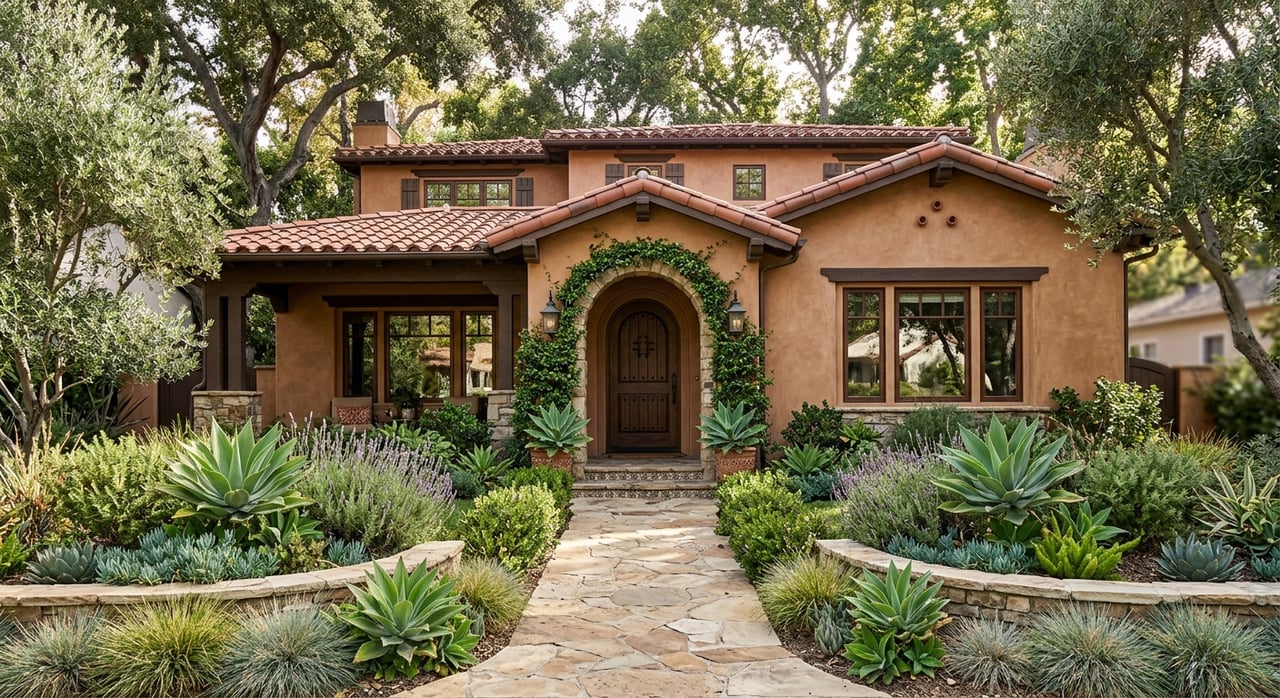
Looking for a neighborhood that feels connected, walkable, and rooted in history without feeling far from Los Angeles? South Pasadena’s historic core stands out for exactly that reason. If you are considering a move here, it helps to understand what daily life really looks like from morning coffee runs to Thursday night traditions. Let’s take a closer look.
What Defines the Historic Core
South Pasadena’s historic core is centered on Mission Street and Meridian Avenue, with Fair Oaks Avenue serving as a broader companion corridor. The city is just 3.44 square miles and sits about six miles from downtown Los Angeles, which helps explain why the area feels compact and village-like.
That small footprint shapes everyday life in a noticeable way. You are often moving between familiar streets, local businesses, civic buildings, and parks rather than crossing a large spread-out city. For many buyers, that sense of repeat destinations is a big part of the appeal.
Mission Street Sets the Tone
Mission Street is the city’s historic main street and the most pedestrian-oriented stretch in the core. City planning documents describe it as a corridor with pedestrian-serving retail and civic uses at street level, along with smaller-scale buildings near the Metro station.
In practical terms, that means your day can feel simple and local. You might grab coffee, run an errand, stop into a shop, and head to the station or library without covering much ground. The rhythm is more about strolling and short stops than rushing from one parking lot to another.
Fair Oaks Feels Different
Fair Oaks Avenue is still part of the broader downtown experience, but it has a wider and more auto-oriented character. That contrast is important if you are trying to understand the area block by block.
The historic core is not one uniform environment. If you prefer a more walkable storefront setting, Mission may feel more aligned with your lifestyle. If you do more of your daily routine by car, Fair Oaks may feel more familiar and convenient.
Historic Preservation Is Part of Daily Life
In South Pasadena, preservation is not just a design preference. It is built into city governance and public identity. The city reports 59 designated local landmarks and five locally designated historic districts, and its Cultural Heritage Commission advises the City Council on landmarks and historic districts.
That matters because the older buildings and streetscapes are not treated as background scenery. They are part of how the city plans for the future. The Downtown Specific Plan, adopted in 2023 and amended in 2025, is intended to preserve historic assets while supporting compatible businesses, housing, and retail.
Local History Stays Visible
The South Pasadena Public Library adds another layer to the historic core. Its Local History Collection includes city directories from 1893 to the present, thousands of historical photographs, newspapers, and house-research resources.
For residents, that makes the city’s past easier to see and explore. If you enjoy architecture, old homes, or understanding how a neighborhood evolved, this is the kind of resource that can make a place feel more personal over time.
Everyday Errands Feel Local
One of the biggest lifestyle advantages in the historic core is how much of your routine can stay close to home. The Chamber of Commerce shop guide shows a dense mix of locally owned businesses, including gifts, eyewear, vintage, books, flowers, specialty goods, and the Fair Oaks Pharmacy & Soda Fountain, which it describes as a local landmark since 1915.
That mix supports a local-errand lifestyle. Instead of treating downtown as a place you visit once in a while, you may find yourself using it regularly for small practical stops and casual browsing. That can make the area feel more connected and more lived-in.
Thursday Nights Are a Signature Routine
If one weekly tradition captures the spirit of the historic core, it is the South Pasadena Farmers Market. The market is held on Thursday evenings on Meridian Avenue and El Centro Street between Diamond Avenue and Glendon Way, with more than 70 vendors and live music on the lawn adjacent to the Metro station.
This is the kind of recurring event that gives a neighborhood a steady social rhythm. It is not just about shopping. It is also about seeing familiar faces, picking up dinner ingredients, and spending time outdoors in a setting that feels distinctly local.
Transit Is Unusually Central
For a small city, South Pasadena has a notably central transit feature in the Metro A Line station at Mission and Meridian. City planning documents identify the station as an existing mobility asset and note that much of downtown lies within its walkshed.
The city also has policies aimed at safer sidewalks, crossings, and bicycle connections in and around downtown. For you, that can mean more flexibility in how you move through the neighborhood and beyond it. Even if you still drive often, the option for a more car-light routine is a meaningful part of the area’s appeal.
Parks Add Room to Breathe
The historic core is compact, but it is not all storefronts and pavement. Nearby parks give the area a softer, more open balance and create places for everyday downtime.
Garfield Park is a major anchor. The city describes it as a seven-acre park with playground equipment, two lighted tennis courts, picnic areas, a walking path, a Youth House, and a Healing Garden. It is also the site of summer concerts and other community gatherings.
Library Park offers a quieter experience. Surrounding the South Pasadena Public Library and Senior Center, it includes mature trees, meandering walkways, benches, and bicycle racks. It works well for reading, resting, or meeting neighbors in a more relaxed setting.
The Arroyo Seco Brings Nature Close
Another part of everyday life here is proximity to the Arroyo Seco. The Woodland and Wildlife Park Trail runs along the east side of the Arroyo, and the city describes the area as a place where recreation and ecosystem protection should coexist.
That adds a different dimension to the historic core. You can have a compact downtown routine while still being close to trails and open space. For many buyers, that mix of built history and nearby nature is hard to replicate.
Community Traditions Shape the Lifestyle
South Pasadena’s downtown is social as well as practical. In 2026, the city and Chamber announced an Arts & Music Crawl on Mission Street from Fair Oaks to Meridian, featuring pop-up galleries, artisan booths, live performances, and special offerings from local shops and restaurants.
Events like that reinforce how the core functions as a gathering place, not just a commercial district. The same is true of the city’s Festival of Balloons, a July 4 tradition that includes a pancake breakfast, an opening ceremony at the library, a parade to Garfield Park, park festivities, and an evening fireworks show.
These traditions matter because they create repeatable patterns around shared landmarks. Over time, that can make the area feel familiar in a deeper way than a neighborhood that is only convenient on paper.
What Buyers Should Notice Most
If you are exploring South Pasadena’s historic core as a buyer, the biggest takeaway is that the lifestyle is shaped by older neighborhood fabric, local institutions, and a compact routine. You are not just choosing a house. You are choosing how often you want daily life to happen on foot, in public spaces, and around long-standing local destinations.
It is also worth paying attention to the block-by-block variation. Mission Street tends to offer the most pedestrian-oriented feel, while Fair Oaks reads broader and more auto-oriented. That difference may sound subtle, but it can have a real impact on how the neighborhood fits your routine.
For buyers who value character, continuity, and a downtown that still feels tied to civic life, South Pasadena’s historic core offers a distinct experience within the San Gabriel Valley. If you want help understanding how one pocket compares with another, Megan Ferrell can help you evaluate the lifestyle, location, and long-term fit with care.
FAQs
What is the historic core of South Pasadena?
- South Pasadena’s historic core is centered on Mission Street and Meridian Avenue, with Fair Oaks Avenue as a broader companion corridor in the downtown area.
What is everyday life like on Mission Street in South Pasadena?
- Mission Street is the city’s historic main street and has a more pedestrian-oriented feel, with retail, civic uses, and easy access to local stops and the Metro station.
How is Fair Oaks Avenue different from Mission Street in South Pasadena?
- Fair Oaks Avenue is wider and more auto-oriented, so the feel changes from block to block compared with the more walkable experience along Mission Street.
What community events take place in South Pasadena’s historic core?
- Signature events include the Thursday evening South Pasadena Farmers Market, the Arts & Music Crawl on Mission Street, and the annual Festival of Balloons celebration tied to downtown, the library, and Garfield Park.
Are there parks near South Pasadena’s historic downtown?
- Yes. Garfield Park, Library Park, and the nearby Arroyo Seco area provide outdoor space for walking, recreation, gatherings, and quieter everyday use.
Is South Pasadena’s historic core convenient for transit?
- Yes. The Metro A Line station at Mission and Meridian is a central mobility feature, and city planning documents note that much of downtown lies within its walkshed.