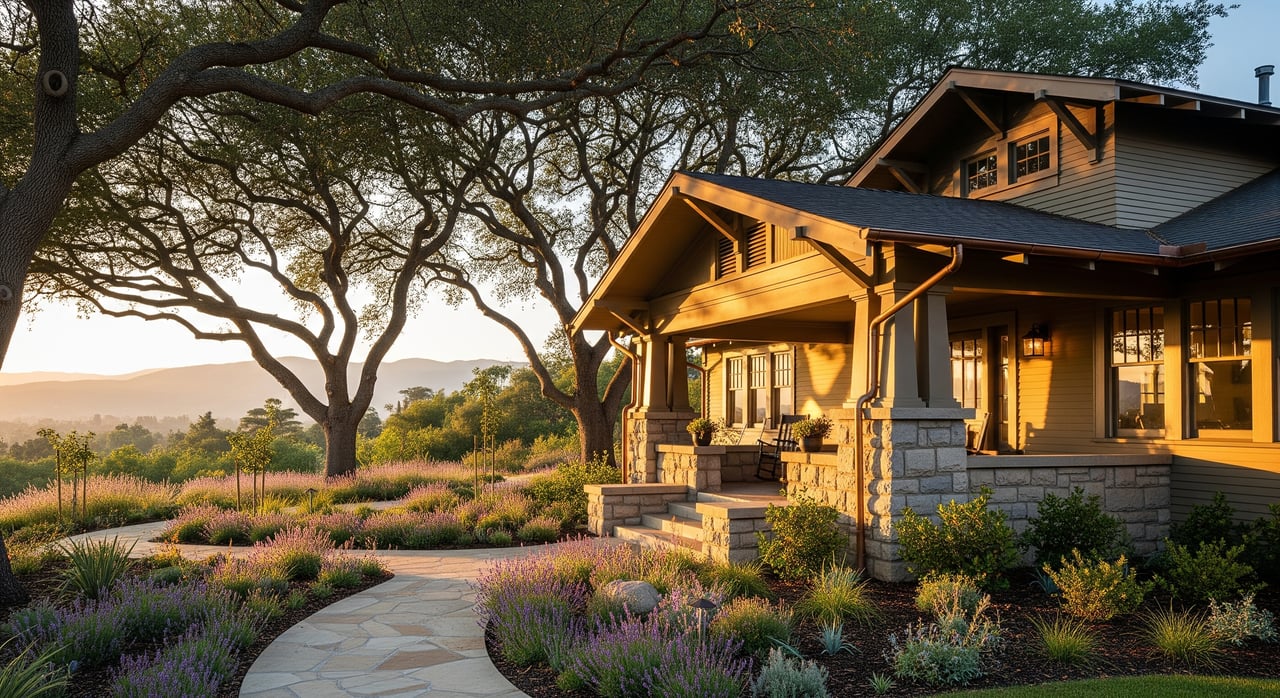
If you own a Craftsman in Monrovia, you already know buyers react strongly to the right details and the right street. The challenge is turning that reaction into a price you can defend and a sale you can trust. You want a strategy that honors your home’s character, attracts the best buyers, and closes cleanly. In this guide, you will learn exactly what buyers in Monrovia pay for, how to select comps, and what to do before photos and showings to maximize your result. Let’s dive in.
What buyers pay for in Monrovia
Lot and outdoor space
A larger, flat lot with usable yard space often commands a premium. Buyers compare orientation, privacy, and how the yard supports daily life and entertaining. Proximity to Old Town and the ability to expand or add an ADU also factor into willingness to pay. Treat lot size and usability as a distinct value driver rather than just a background detail.
Original period details
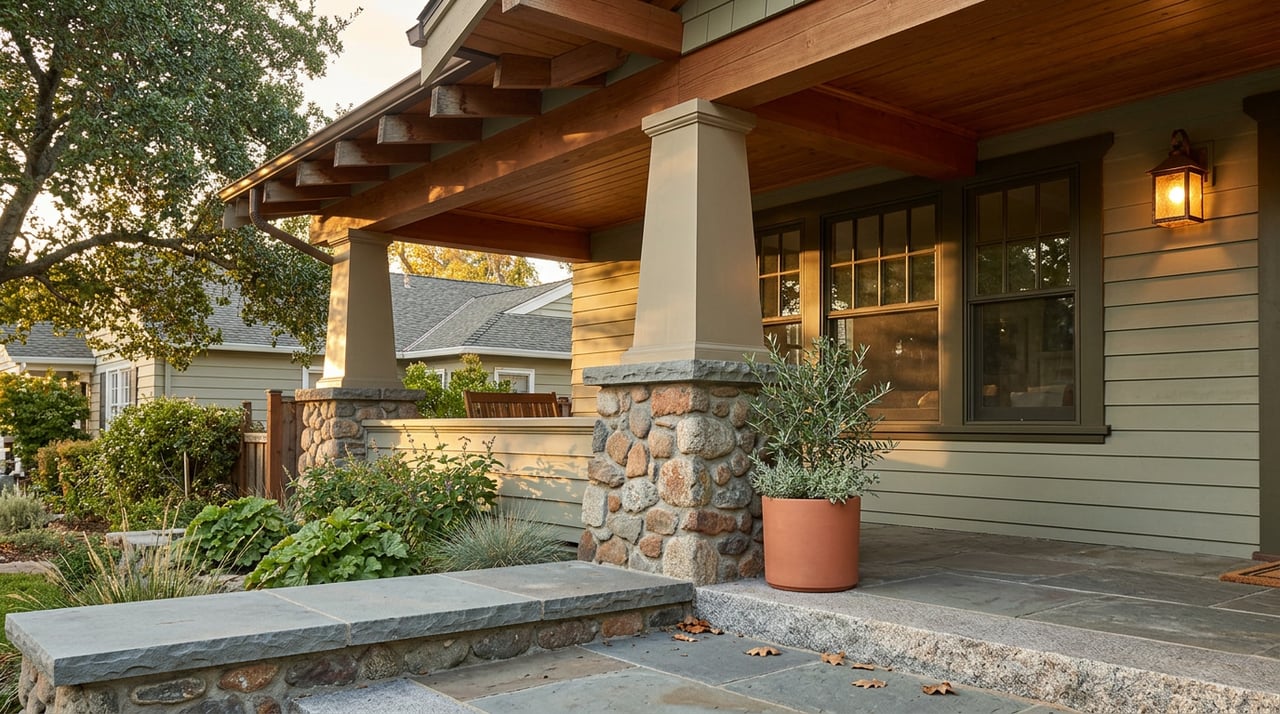
Buyers seeking authenticity will pay more for intact Craftsman features. Visible millwork, built‑ins, original windows and hardware, fireplace tile, and fir floors create emotional pull and are hard to replace. Coherent, sensitive restorations tend to outperform partial or mismatched remodels. Photograph and document original materials so buyers can see and trust the character.
Systems and major updates
Modern electrical, plumbing, HVAC, roof, and a sound foundation reduce risk for buyers and support stronger offers. Unpermitted work or outdated systems can limit financing and slow a sale. Pre‑listing inspections and clear disclosures build confidence. When issues exist, cost‑to‑cure estimates help you price adjustments realistically.
ADU value and potential
California ADU reforms have increased demand for properties with an existing ADU or clear ADU potential. Buyers weigh permitted status, likely rental income, and the complexity of approvals. An existing permitted ADU is typically valued more directly, while potential is discounted for time, cost, and permitting uncertainty. Feasibility details reduce the discount and can lift offers.
Street context and micro location
In Monrovia, the block often matters more than a broad neighborhood label. Buyers pay attention to tree canopy, setbacks, sidewalks, and traffic patterns. Walkability to Old Town and proximity to the Monrovia Station can be a plus for many buyers. Use very local comps to capture micro‑location differences across the same street or within a few blocks.
How to price your Craftsman
Choose comps the Monrovia way
Start on your block face, then expand to a 0.25–0.5 mile radius if needed. Prioritize recent sales of similar vintage and condition, and look closely at lot size and yard usability. When your home is near Old Town or the Monrovia Station, keep comps close to those areas so you do not blur location premiums.
Make market‑based adjustments
Use paired sales to isolate value for features like intact millwork or a larger flat yard. For systems, apply a cost‑to‑cure approach using contractor bids or inspection findings. For ADUs, use an income perspective for existing units and a probability‑adjusted estimate for potential. Document your assumptions and check them against how similar homes actually sold.
Set a list price with purpose
Decide which buyer you want to attract. If your home blends original character with strong system updates, you can price toward the higher end of the realistic range. For unique features like a large lot, permitted ADU, or exceptional restoration, assemble proof: permits, rental comps for the ADU, restoration documentation, and professional photos. Align your list price with first‑week neighborhood expectations and your days‑on‑market tolerance.
Prep that adds value before photos
Inspect and document systems
Schedule a pre‑listing inspection that covers the roof, electrical, plumbing, HVAC, foundation, and sewer line. Gather permits and warranties for past work. If repairs are recommended, get written bids so you can credit or fix with clarity. This reduces buyer uncertainty and speeds escrow.
Capture and preserve character
Create a photo inventory of period details: built‑ins, moulding profiles, fir floors, original windows and hardware, and fireplace tile. If small restorative touch‑ups are needed, keep them sensitive to the original style. Accurate detail shots often drive first visits and stronger offers.
Prove ADU feasibility
If an ADU is possible, prepare a simple feasibility memo. Include a site sketch with setbacks, potential utility connections, and a basic note on process and timelines. Make it clear you are describing potential, not a guarantee of approval. The more you reduce uncertainty, the more buyers can justify paying for the opportunity.
Elevate curb appeal
Prioritize porch repairs, fresh paint where needed, and tidy landscaping that frames the architecture. Lead with high‑quality exterior photos that show street context and tree canopy. Great curb appeal increases initial traffic and helps your price hold.
Quick seller checklist
- Pre‑listing general and sewer inspection, plus repair bids
- Permit history, warranties, and receipts for upgrades
- Photo inventory of original details and a simple floor plan
- Site sketch or parcel map to discuss ADU potential
- Light restorative work: paint, porch touch‑ups, landscaping
Present the listing for the right buyer
Marketing details that convert
Be precise about what is included in the square footage and provide a clear floor plan. Call out the blend of character and upgrades in a single glance, such as: “Original fir floors plus updated electrical.” Share relevant documents in the disclosure packet so serious buyers can move quickly.
Visual order that sells
Sequence photos to tell the story buyers expect: exterior and porch, interior detail shots of millwork and built‑ins, kitchen and baths, then yard and any ADU opportunity. If ADU potential is a key hook, include a clean conceptual diagram. Visual clarity supports stronger offers and cleaner appraisals.
Navigate offers and appraisals
Use precise credits
For tangible defects like a roof or HVAC issue, tie credits to contractor bids or consider an escrow holdback. Avoid vague promises that make buyers nervous. Clear numbers keep deals on track.
Work with historic‑minded buyers
Have restoration documentation ready and know whether any historic review applies. Clear expectations about what can or cannot change helps maintain buyer confidence. Transparency supports premium pricing.
Adjust fast to feedback
If the market signals resistance, review show feedback and your comp set quickly. Small price or presentation adjustments early often prevent larger concessions later. Stay responsive to keep momentum.
Local rules that impact price
Historic designation basics
Check if your property sits in a local historic district or has any landmark status. Design review can affect exterior changes, while incentives such as potential tax benefits may exist for preserved homes. These factors influence both buyer pool and renovation planning, so confirm status before listing.
ADU realities to consider
State ADU reforms have eased approvals, but local implementation still sets details like setbacks, parking, and utility requirements. A permitted ADU is typically valued more predictably than potential alone. Share feasibility steps so buyers can price the opportunity with confidence.
Permits and financing
Unpermitted additions or safety issues can complicate financing and appraisals. Lenders and appraisers may require repairs or exclude unpermitted square footage from gross living area. Disclose early and decide whether to remediate or price accordingly.
How Megan Spargo‑Ferrell & Team helps
You deserve a pricing and presentation plan that fits your Craftsman and your goals. Our team brings hyper‑local expertise across the San Gabriel Valley, polished marketing led by a dedicated marketing director, and Compass tools that elevate your outcome. We combine ADU advisory, pre‑sale project management through Compass Concierge, and professional photography and video to position your home for the right buyers at the right price.
If you are considering a sale, we can prepare a block‑level comp study, a pre‑listing inspection plan, and an ADU feasibility memo tailored to your lot. Let’s build a pricing strategy you can trust and a presentation that honors your home’s character.
Ready to talk through your Craftsman and its value today? Reach out to Megan Ferrell for a tailored plan.
FAQs
What raises a Monrovia Craftsman’s price most?
- Usable lot size, intact period details, updated systems, clear ADU value, and a strong block near Old Town or transit typically drive the largest premiums.
How does historic designation affect value?
- Local designation can restrict some exterior changes and may offer incentives, which can shape both the buyer pool and renovation planning; confirm status before listing.
How do buyers view ADU potential versus an existing ADU?
- A permitted ADU is usually valued more directly, while potential is discounted for time, cost, and permitting risk unless you provide strong feasibility documentation.
Which inspections help most before listing a Craftsman?
- A general home inspection plus focused checks on roof, electrical, plumbing, HVAC, foundation, and sewer line, supported by contractor bids for any needed repairs.
How should I choose comps near Old Town Monrovia?
- Start on your block, then expand up to 0.5 miles, prioritizing similar vintage, lot usability, and condition, and keep comps close to Old Town when location is a value driver.
How do unpermitted additions impact price and appraisal?
- Lenders may exclude unpermitted space from living area and can require corrections, so expect price discounts or plan to remediate or credit with documented costs.