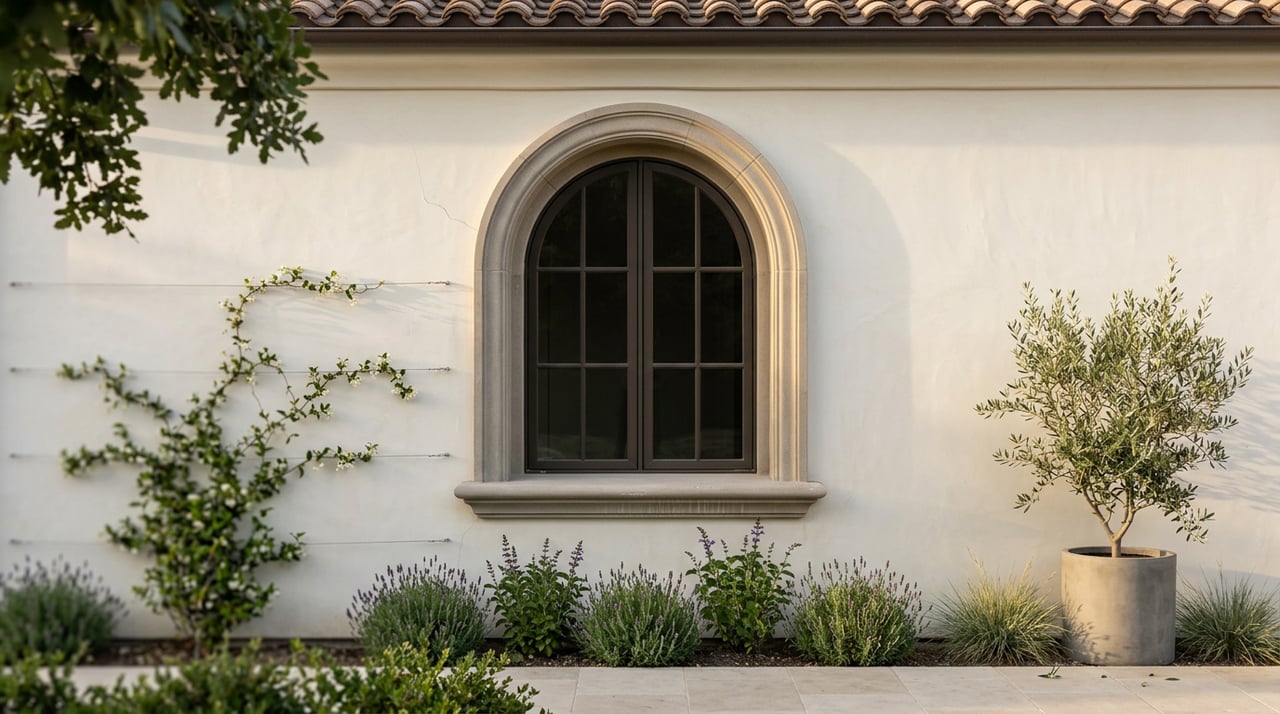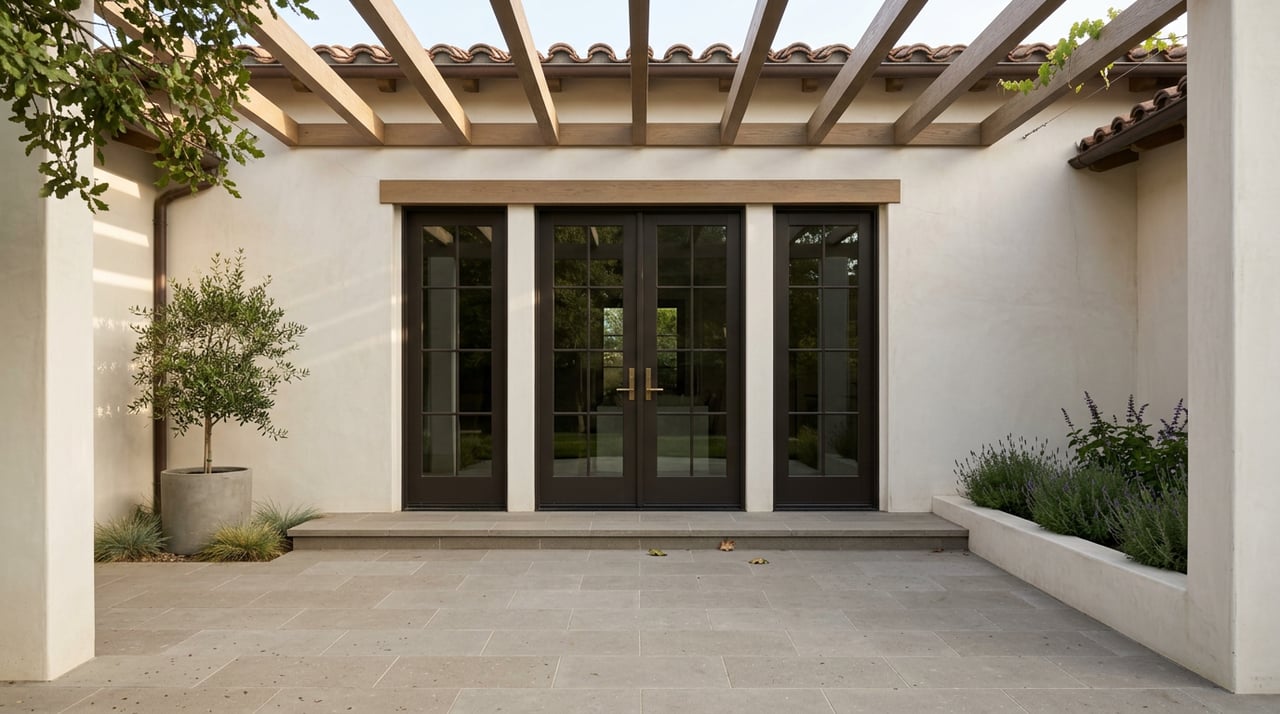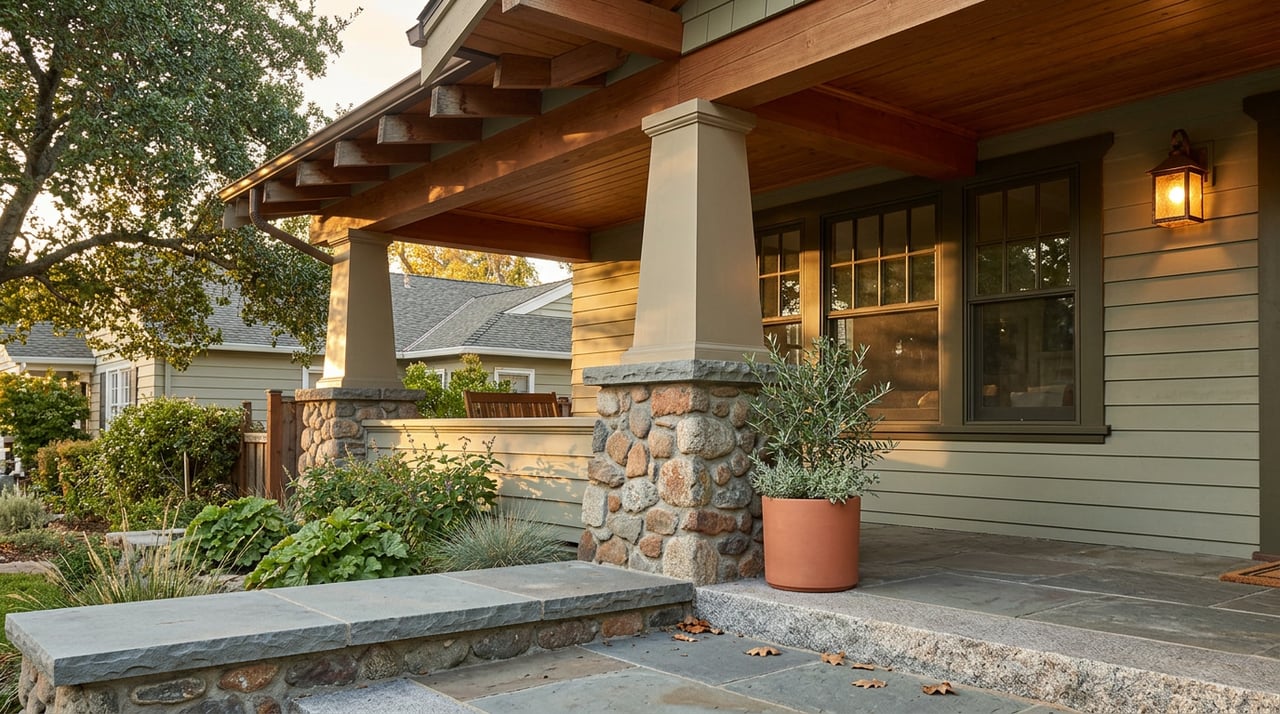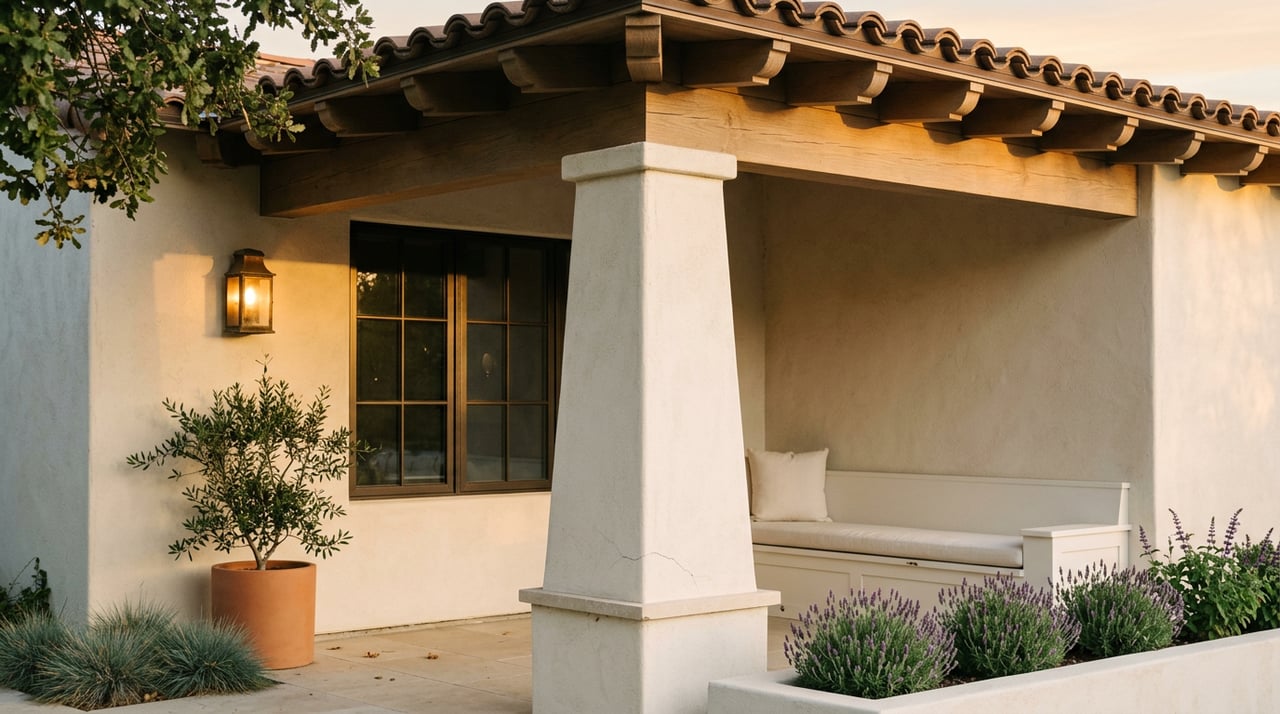
If you are getting ready to sell in Pasadena, one question can shape everything that follows: should you renovate first, or list the home as-is? In a market where buyers are active but still comparing condition, price, and presentation carefully, that choice can affect your timeline, your stress level, and your bottom line. The good news is that there is a practical way to think it through. Let’s dive in.
Pasadena sellers need a balanced strategy
Pasadena remains a high-value market, but it is not a market where condition gets ignored. Public data shows median home values and sale prices well above $1 million, with homes often receiving multiple offers and selling in a little over a month. At the same time, inventory gives buyers options, which means obvious issues can stand out.
That matters because many Pasadena homes are older. The city notes that homes often begin showing age after 30 years, and homes older than 50 or 60 years may need updates to roofs, paint, landscaping, exterior finishes, and sometimes major systems like plumbing, electrical, and heating. So the real question is not just whether a home looks dated. It is whether the home is fundamentally sound or likely to need deeper work.
Start with the home’s true condition
Before you decide on updates, separate cosmetic concerns from structural or systems concerns. A home with worn finishes, older fixtures, and tired landscaping may benefit from a light refresh. A home with aging systems, deferred maintenance, or possible permit issues may be a better candidate for an as-is sale.
This distinction matters in Pasadena because older homes can come with more complexity. If repairs uncover plumbing, electrical, heating, exterior, or permit-related issues, your simple pre-sale plan can quickly become more expensive and time-consuming than expected. In that case, speed and certainty may matter more than chasing a higher list price.
Signs light updates may make sense
Light pre-sale improvements often make sense when the home is in solid overall condition and the main issue is presentation. You may want to consider updates if:
- The layout works well as-is
- Major systems appear functional
- Deferred maintenance is limited
- The home feels dated more than damaged
- Curb appeal is weaker than the interior quality
- You want to improve first impressions without taking on a major remodel
In Pasadena, this approach often fits homes that have good bones and strong architectural character but need polish.
Signs selling as-is may be the better fit
Selling as-is may be the cleaner path when the project scope is uncertain or likely to expand. That may be true if:
- The home may need roof, plumbing, electrical, or heating upgrades
- There is visible deferred maintenance in several areas
- Past work may have been done without permits
- The property may trigger city review that could delay listing
- You are handling an estate, downsizing, or managing a sale from a distance
- You value a simpler, faster sale more than maximizing every last dollar
In these cases, as-is can reduce pre-listing work, even though buyers will likely price the needed repairs into their offers.
Which updates tend to pay off most?
If you do decide to improve the home before listing, Pasadena sellers usually benefit more from targeted updates than from big-ticket remodels. Los Angeles Cost vs Value data points to smaller, visible improvements as the strongest resale performers. Projects like garage door replacement, manufactured stone veneer, steel entry door replacement, fiber-cement siding replacement, and minor kitchen remodels showed stronger cost recovery than large interior overhauls.
By contrast, bigger remodels often recouped much less. Midrange and upscale kitchen remodels, bathroom additions, and ADU projects showed weaker resale recovery in the Los Angeles data. For most sellers, that means you should be cautious about pouring money into a renovation that reflects your taste more than the next buyer’s needs.
Best pre-sale projects for many Pasadena homes
If the home is fundamentally sound, focused improvements may help remove buyer hesitation. Often, the smartest projects are:
- Exterior paint touch-ups where needed
- Landscaping cleanup and fresh mulch
- Improved entry presentation
- Garage door or front door replacement
- Select siding or exterior finish repair
- Minor kitchen refreshes instead of full remodels
- Basic repairs that make the home feel cared for
The goal is not to make the house brand new. The goal is to make it feel well maintained, appealing, and easy for buyers to understand.
Why major renovations can backfire
Large renovations carry more risk in Pasadena than many sellers expect. First, older homes can reveal hidden issues once work begins. Second, Pasadena has local pre-sale and permitting rules that can affect timing, cost, and complexity.
Before closing the sale of a single-family house, condo, townhouse, or duplex in Pasadena, the owner must obtain either a Presale Certificate of Completion or a Presale Certificate of Inspection. Some properties can self-certify, while others require a city inspection. That process alone can shape your timeline, especially if repairs are already underway.
Historic and permit issues can change the math
If a property is in a designated historic site or historic district, some exterior changes may require a Certificate of Appropriateness. The city also notes that certain small improvements and exterior changes can require zoning permits. And code compliance may investigate completed work that was done without required permits.
That means even a well-intended pre-sale project can become more involved than expected. If your home has older features, character details, or an unclear permit history, it is especially important to think carefully before starting major work.
What “as-is” really means in California
Some sellers hear “as-is” and assume it means fewer responsibilities. In reality, as-is mainly means you are not agreeing to make repairs before the sale. It does not remove your disclosure obligations.
California requires sellers to disclose known information about a property’s physical condition and potential hazards or defects through the Transfer Disclosure Statement. Natural hazard disclosures may also be required in mapped hazard zones, and homes built before 1978 are subject to lead-based paint disclosure rules. So while as-is can simplify your prep, it does not let you avoid transparency.
A simple Pasadena decision framework
If you are torn between renovating and selling as-is, use this practical rule of thumb.
Choose light updates if:
- The home is fundamentally sound
- The main problem is dated appearance
- The work is mostly cosmetic and manageable
- You can avoid major permit, inspection, or historic-review surprises
- Better presentation is likely to improve buyer response
Choose as-is if:
- The home may need systems work
- The repair scope is unclear
- Timing matters more than squeezing out every dollar
- You want to avoid the risk of opening up larger issues
- The property has permit or compliance uncertainty
In Pasadena, that is often the clearest dividing line. If the home needs polish, strategic updates may help. If the home needs deeper intervention, as-is can be the smarter move.
How concierge support can help
For sellers who are good candidates for light improvements, financing the work upfront can still feel like a hurdle. Compass Concierge may help in that situation by covering the cost of eligible home-improvement services, with repayment due when the home sells, when the listing agreement ends, or after 12 months, subject to program terms.
This option tends to fit targeted pre-sale projects best, not a full-scale renovation. In other words, it can be useful when the work is designed to improve marketability and presentation, not rebuild the house.
The best choice depends on your goals
There is no one-size-fits-all answer in Pasadena. A beautifully located home with dated finishes may benefit from a carefully managed refresh. A longtime family property with deferred maintenance, older systems, or permit questions may be better positioned as-is with a pricing strategy that reflects the condition honestly.
The smartest path usually comes from looking at three things together: the home’s actual condition, the likely city process, and your personal priorities for timing, convenience, and net proceeds. When those pieces are evaluated clearly, the right decision tends to become much easier.
If you are weighing whether to renovate or sell as-is in Pasadena, a local, property-specific plan can save time, money, and unnecessary stress. Megan Ferrell can help you assess the home, identify which improvements are worth considering, and build a listing strategy that fits your goals.
FAQs
Should you renovate before selling a home in Pasadena?
- If your Pasadena home is structurally sound and mainly looks dated, light cosmetic improvements may help more than a major remodel.
What repairs add the most resale value for Pasadena sellers?
- Los Angeles resale data suggests smaller, visible projects like garage doors, entry doors, siding-related improvements, curb appeal work, and minor kitchen updates often outperform major interior remodels.
Can you sell a Pasadena house as-is and skip disclosures?
- No. Selling as-is does not remove California disclosure requirements for known property condition issues, hazards, or lead-based paint rules for pre-1978 homes.
Does Pasadena require a presale inspection before closing?
- Pasadena requires sellers of single-family homes, condos, townhouses, and duplexes to obtain either a Presale Certificate of Completion or a Presale Certificate of Inspection before closing.
Do historic rules affect pre-sale renovations in Pasadena?
- Yes. If your property is in a designated historic site or district, some exterior changes may require city review and a Certificate of Appropriateness.
Is Compass Concierge useful for Pasadena pre-sale updates?
- It can be a helpful option for eligible light improvements that improve presentation and marketability without requiring upfront payment, subject to program terms.