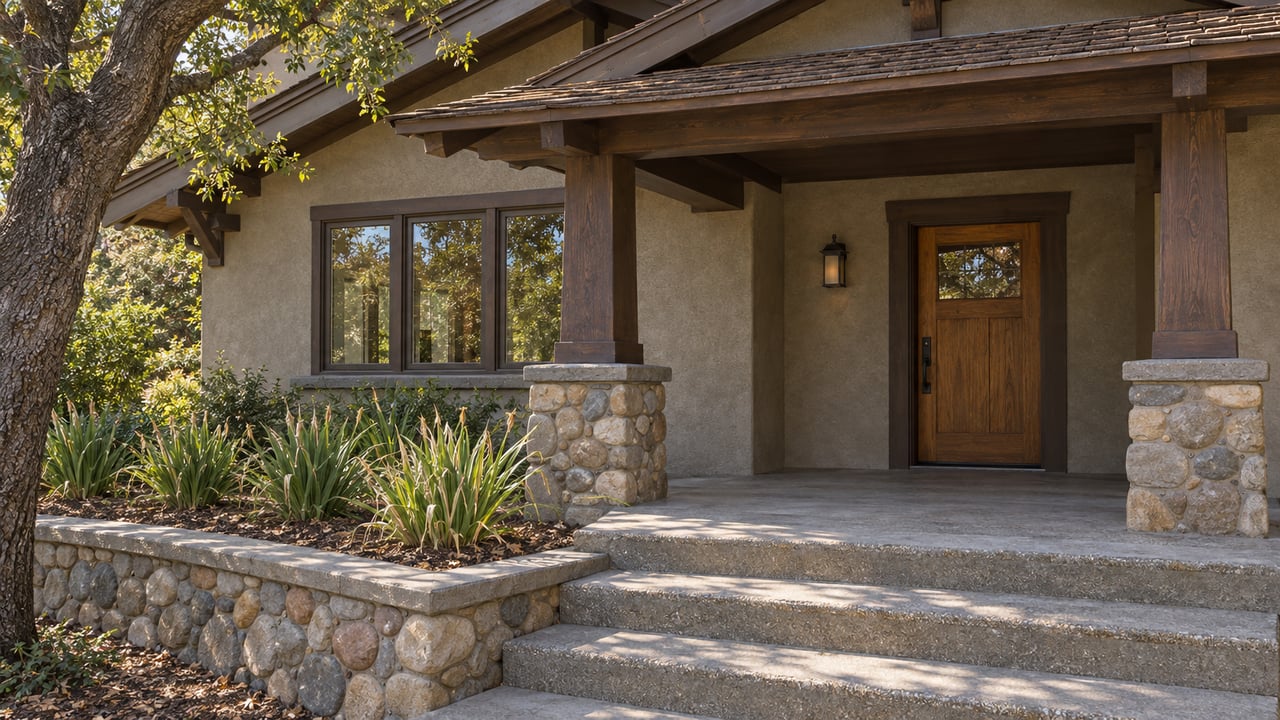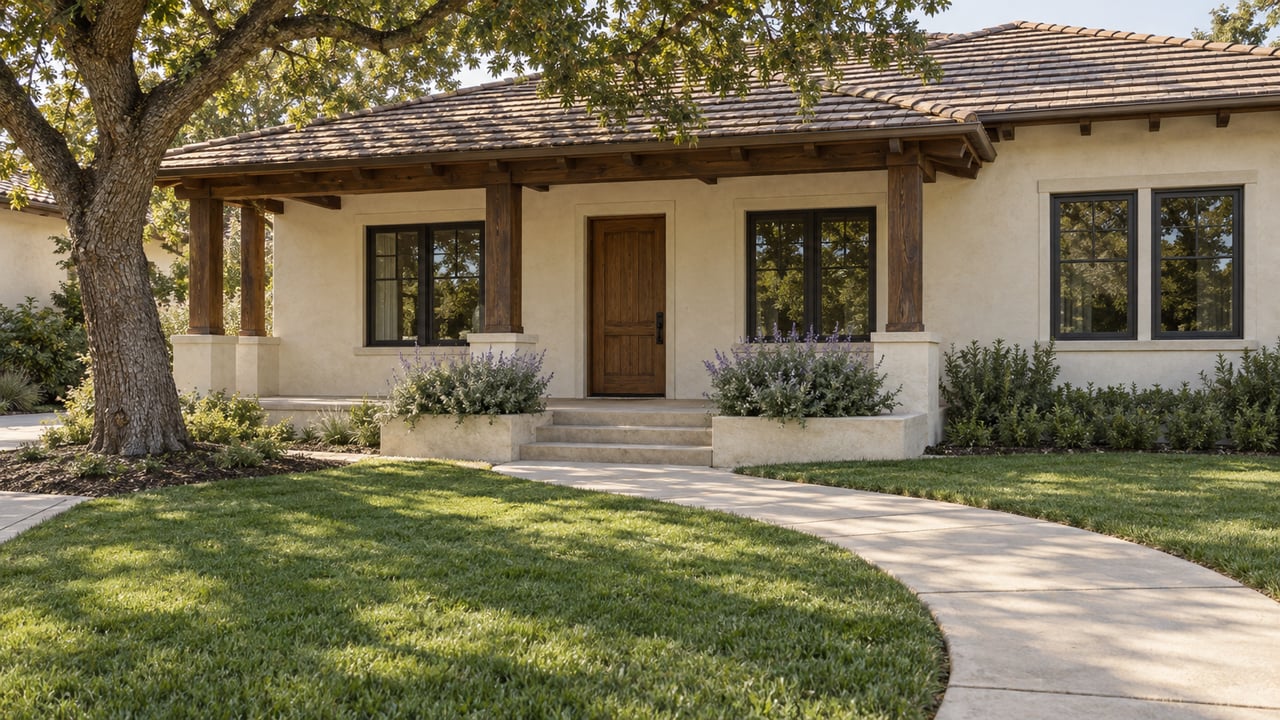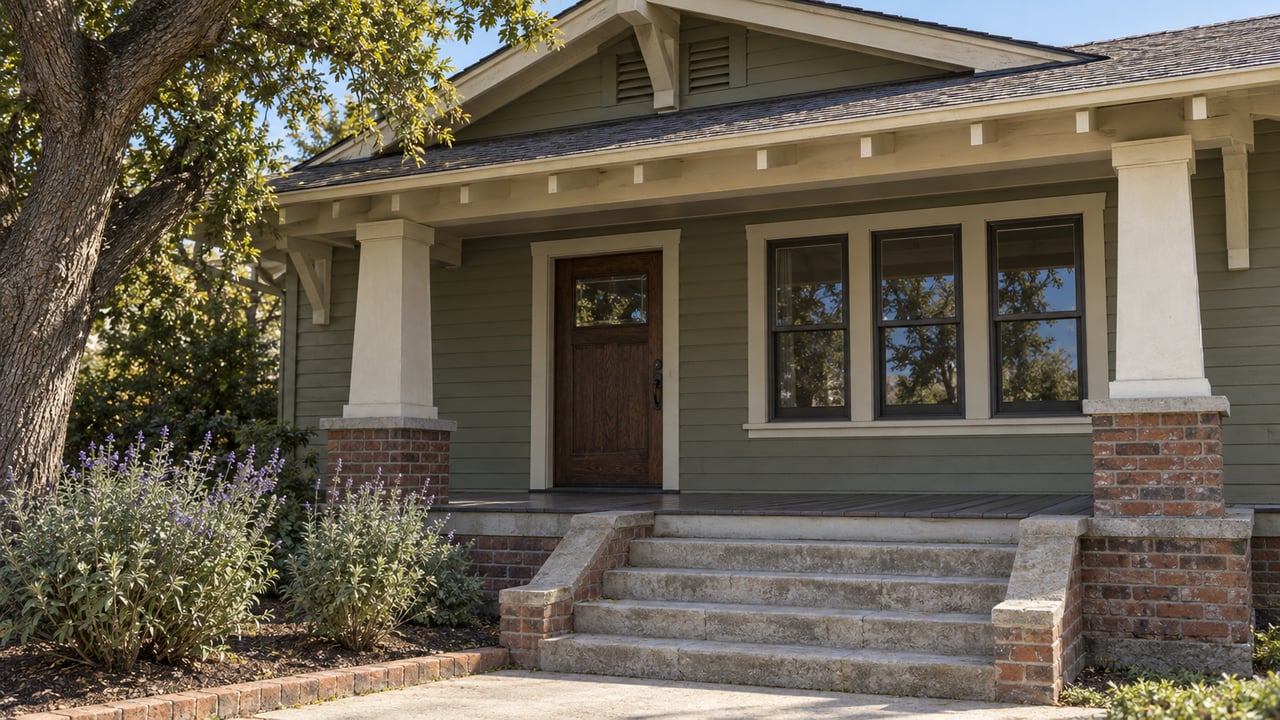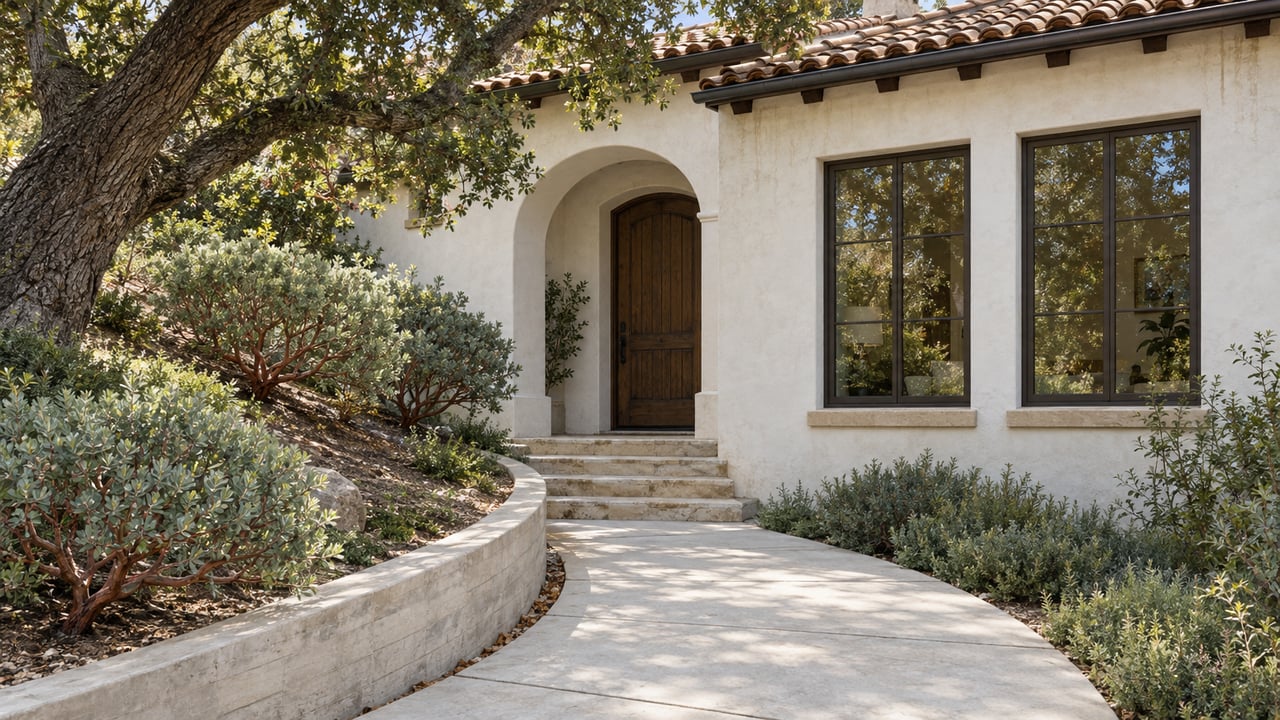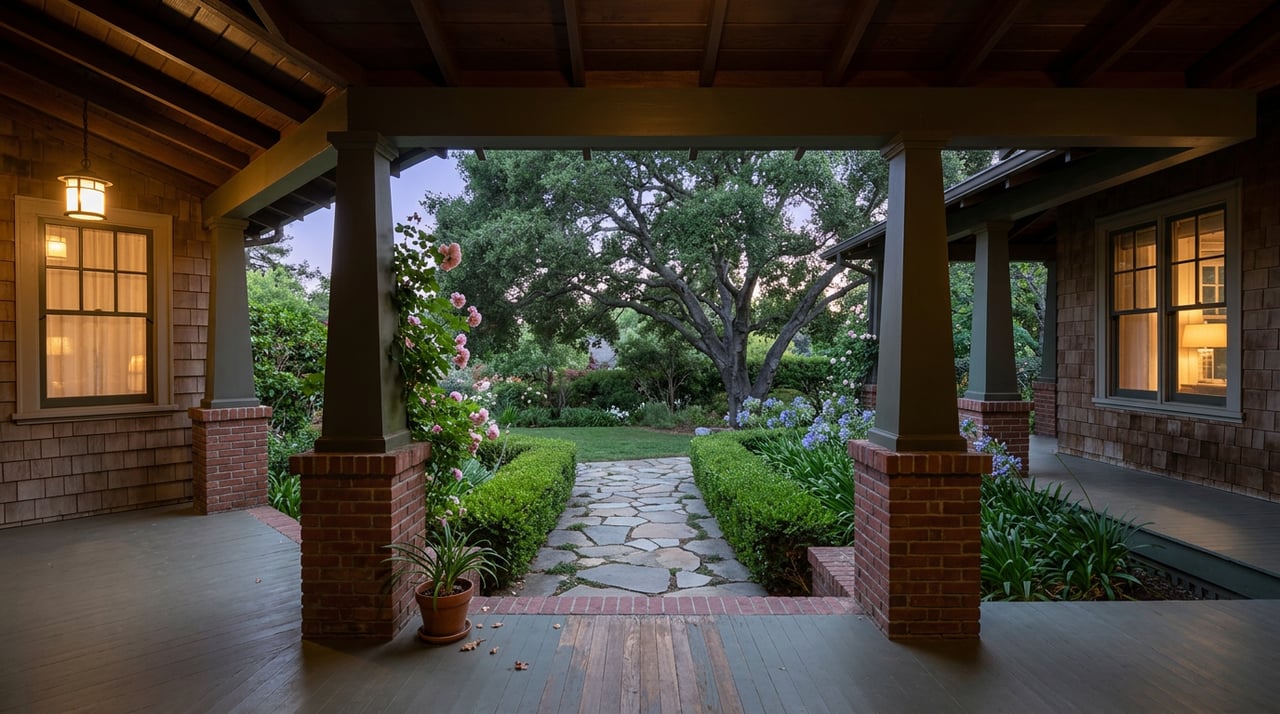
A year ago, the corner of Ivy and Foothill in Old Town Monrovia had scaffolding on it. Two of the city's oldest homes sat behind a chain-link fence, their porches sagging, waiting on a construction schedule nobody outside the project could see. On a recent Friday evening, that same address had string lights on, a hostess stand out front, and a line for outdoor tables. The house didn't get restored back to being a house. It became Viola's Bar & Bistro, and the two homes next to it are turning into a boutique inn.
That's the pattern worth noticing this year in Monrovia. The canyon reopened. The Victorian reopened. The Friday night fair kept going. But none of them came back as a simple return to what they were before they closed, emptied out, or drifted. Each one came back changed, usually for the better, and usually run by someone new. If you live here, that distinction matters more than the headline that "things are reopening."
The canyon came back bigger than it left
Monrovia Canyon Park was effectively unusable for the better part of five years. The Bobcat Fire crossed into the canyon in September 2020, burning 278 acres within Monrovia on its way to more than 115,000 acres countywide. The park survived without loss of life or structures, but the damage to trees, vegetation, and ash cover was extensive. Then, in mid-December 2021, more than five inches of rain hit the burn scar in a single storm, sending mud and debris down the canyon and undoing a lot of the early recovery work. The city had to start over.
What came back on June 27, 2025, after a City Council-approved capital project and an April 2024 groundbreaking, wasn't the same park with the mud swept out. It's a different piece of infrastructure:
- Vehicle parking went from 87 spaces to 111, with new ADA spots added near the Canyon Park cabin
- The entrance kiosk was expanded so two rangers can manage entry and exit instead of one
- Conduit was run under the roads for the first time, giving the park real internet and power for water pumps and emergency alarms
Here's where it gets interesting for anyone planning a weekend hike. When the park reopened, the city required reservations for weekend visits, 150 slots per timeslot, no exceptions. That system got real attention in local coverage at the time. But by early 2026, a commenter on the community site Monrovia Now was told flatly that reservations were no longer needed to get in. The city's own current park page doesn't mention a reservation requirement at all anymore, it just talks about the expanded parking. Meanwhile, some third-party trail sites are still telling hikers the falls trail is reservation-only as of this summer. That's a genuine conflict in what's publicly available, and it's the kind of thing that trips up a Saturday morning plan. If you're headed up for the waterfall, a quick call to the park at (626) 256-8282 before you load the car is worth the two minutes.
One more thing worth knowing if you're timing a visit around the falls themselves: the 30-foot cascade runs on an artesian spring, so it doesn't fully depend on recent rain, but it can run thin heading into November and is at its best in the winter months. September hikes are still worth doing for the shade and the creek, just don't expect the waterfall at full volume.
The house that didn't go back to being a house
The Blair House at 512 S. Ivy Avenue is one of Monrovia's oldest surviving homes, a restored 1887 property that most recently belonged to former City Historian Steve Baker. The Monrovia Old House Preservation Group and the city's own Legacy Project have both cataloged it as one of the town's "first houses," which is part of why neighbors kept an eye on the scaffolding for as long as they did.
Saxony Design Build, working with Experience CASA, bought the Blair House and the neighboring Brossart house and added a third property to the parcel. The project combined preservation with new uses. The center home became Viola's Bar & Bistro, and the two homes flanking it are being converted into short-stay guest rooms, effectively a boutique inn built into a residential block that had never hosted an overnight guest in its history.
In a report by Whatnow, managing partner Casarah Gutierrez described the concept as bridging past and present rather than freezing the house in time:
"We're really excited because we're a landmark historic location in the city and it will be nice for people to enjoy a piece of Monrovia's history."
The menu leans into that same idea, French-inspired brunch and dinner with Southern touches, a Croque Madame named after the restaurant itself, cast iron cornbread, chicken liver, and a wedge salad that regulars are already ordering twice. It's not trying to be the house Steve Baker lived in. It's trying to be a place people gather in the way he once did, just with a wine list.
The lesson for anyone else eyeing one of Monrovia's landmarked properties: the value in these houses right now isn't in freezing them as museums. It's in finding a new use that respects the shell and changes what happens inside it.
Friday nights are still Friday nights, just not run by the same people
The Friday Night Street Fair on Myrtle Avenue has been a fixture long enough that most longtime residents have a strong opinion about which version of it they remember fondly. The fair now stretches four blocks, from Lemon to Walnut, and runs every Friday, weather permitting, from 5 to 9 p.m. in fall and winter and 5 to 10 p.m. once the weather warms up. Admission and parking are both free.
What's changed is who's running it and what they're steering it toward. Regular attendees online have described a stretch of years when the fair felt different from the artisan and craft market it started as, and they credit newer management with moving it toward that original character. Whether that shift fully lands is still playing out week to week, but the direction is the point: the fair didn't get abandoned and it didn't stay static either. The fair continues to evolve under its newer management.
The same thing happened two blocks over on Maple Avenue, just with a business instead of an event. Wingwalker Brewery, which opened there in 2018 and built a following with wood-fired pizza and a family-friendly patio, has since closed. Over Town Brewing, a few doors down at 227 W. Maple, is still pouring, still running its own taplist of amber ales and hazy IPAs a few streets away from Old Town. Nobody restored Wingwalker. The corridor just kept going with a different tenant.
What this actually means if you live here
Put the canyon, the Blair House, and Maple Avenue together and the through-line is hard to miss. Monrovia's public spaces and small businesses aren't circling back to what they used to be. They're getting handed off, upgraded, or repurposed by whoever shows up next with a plan. That's a healthier sign for a small town than pure nostalgia would be. A place that only restores what it had is standing still. A place where a burned canyon comes back with better parking, a shuttered Victorian comes back as a bistro with an inn attached, and a street fair continues under new management is a place still deciding what it wants to be.
If you're heading up Canyon Boulevard this fall, call ahead about weekend access before you assume the old reservation rules still apply. If you haven't been by the Blair House yet, Friday evening with outdoor seating is the move before the weather turns. And if it's been a while since you walked Myrtle Avenue on a Friday night, the four blocks between Lemon and Walnut are worth another look, if only to see whether the new management's version of the fair is the one you remember.
If you're weighing a move within Monrovia, curious what a landmarked property like the Blair House means for resale, or just want a local read on how a specific block is trending, Megan Spargo-Ferrell & Team has spent years watching exactly this kind of change play out street by street in the San Gabriel Valley. Reach out anytime you want a straight answer about your own corner of town.