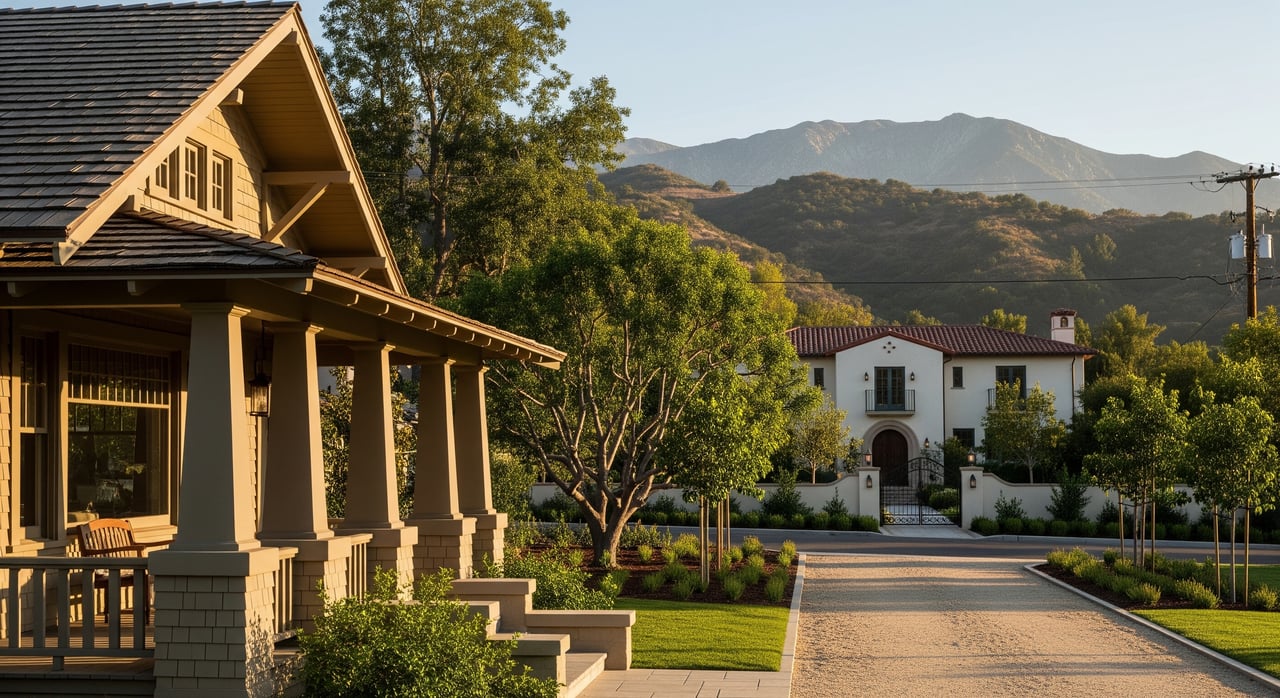
Do you light up when you see a deep front porch, arched courtyard, or a wall of mid-century glass? In Altadena, you can find all of that on the same block. If you are buying or selling here, knowing the differences between a Craftsman bungalow, a Spanish Revival, a Tudor, a mid-century, and an estate home can help you make smarter decisions. This guide shows you how to identify each style, what layouts and upkeep to expect, and which upgrades add value in Altadena’s foothill setting. Let’s dive in.
Altadena housing at a glance
Altadena is an unincorporated community in Los Angeles County north of Pasadena. That means permits and planning run through the County, not a city hall. The housing stock skews older, with many homes built from the early 1900s through the 1960s.
Foothill neighborhoods often feature larger lots and view properties, including historic estates. Flatter areas and early streetcar corridors have dense concentrations of bungalows and period revival homes. Lot size and slope shape floorplans, yard space, and the feasibility of additions.
How to spot each home style
Below are the most common Altadena styles, how they live, and what to watch for during inspections and renovations.
Craftsman and California bungalows
- What you see: Low-pitched gable roofs, wide eaves with exposed rafters, tapered porch columns on stone or masonry piers, and wood shingle or siding. Inside, look for built-in bookcases and window seats.
- Typical layout: Often 1 to 1.5 stories with a compact plan. Living and dining rooms connect, kitchens were modest in originals, and porches anchor the indoor-outdoor flow.
- Maintenance focus: Expect original single-pane windows, plaster, and sometimes knob-and-tube wiring or outdated panels. Old plumbing may be galvanized or cast iron. Wood elements and porches need periodic repair. For pre-1978 homes, lead-based paint is possible.
- Retrofit priorities: Foundation bolting and cripple-wall bracing improve seismic performance. Roofs are commonly composition shingles. Plan panel upgrades and new circuits for modern loads.
- Resale notes: Restored bungalows with original details and modern systems command strong interest. Open-plan remodels can be appealing but may reduce historic character, which some buyers prize.
Spanish Colonial and Mediterranean
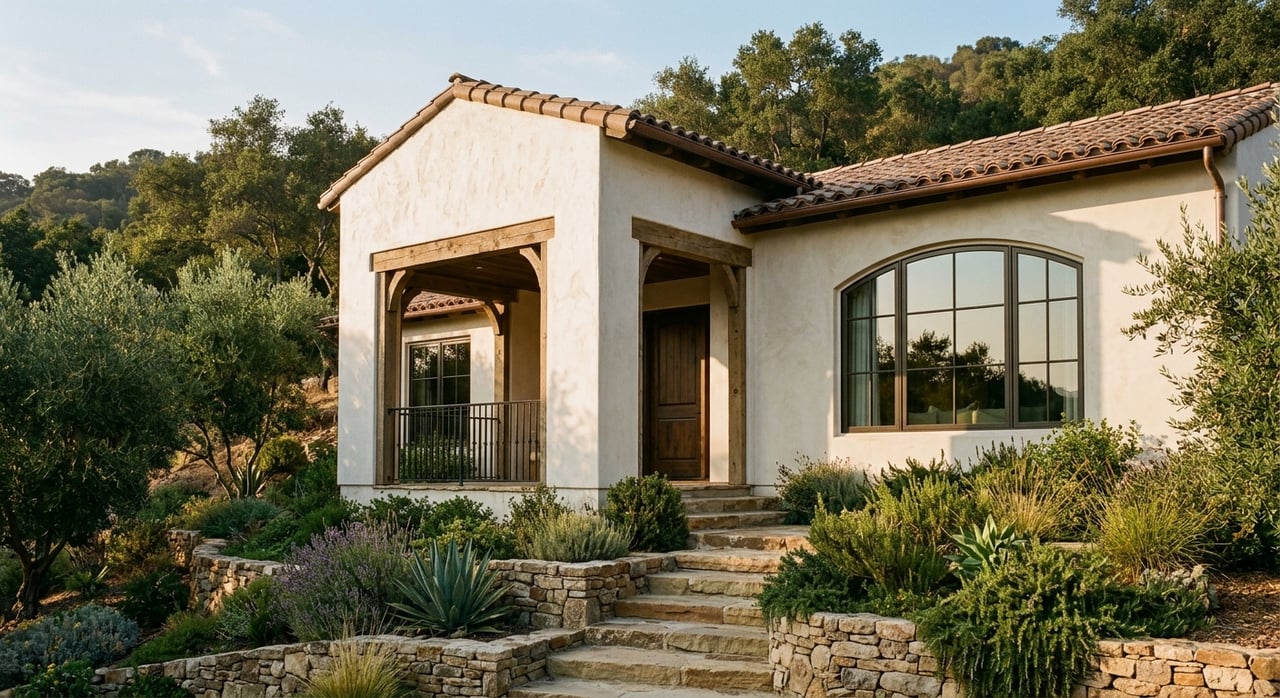
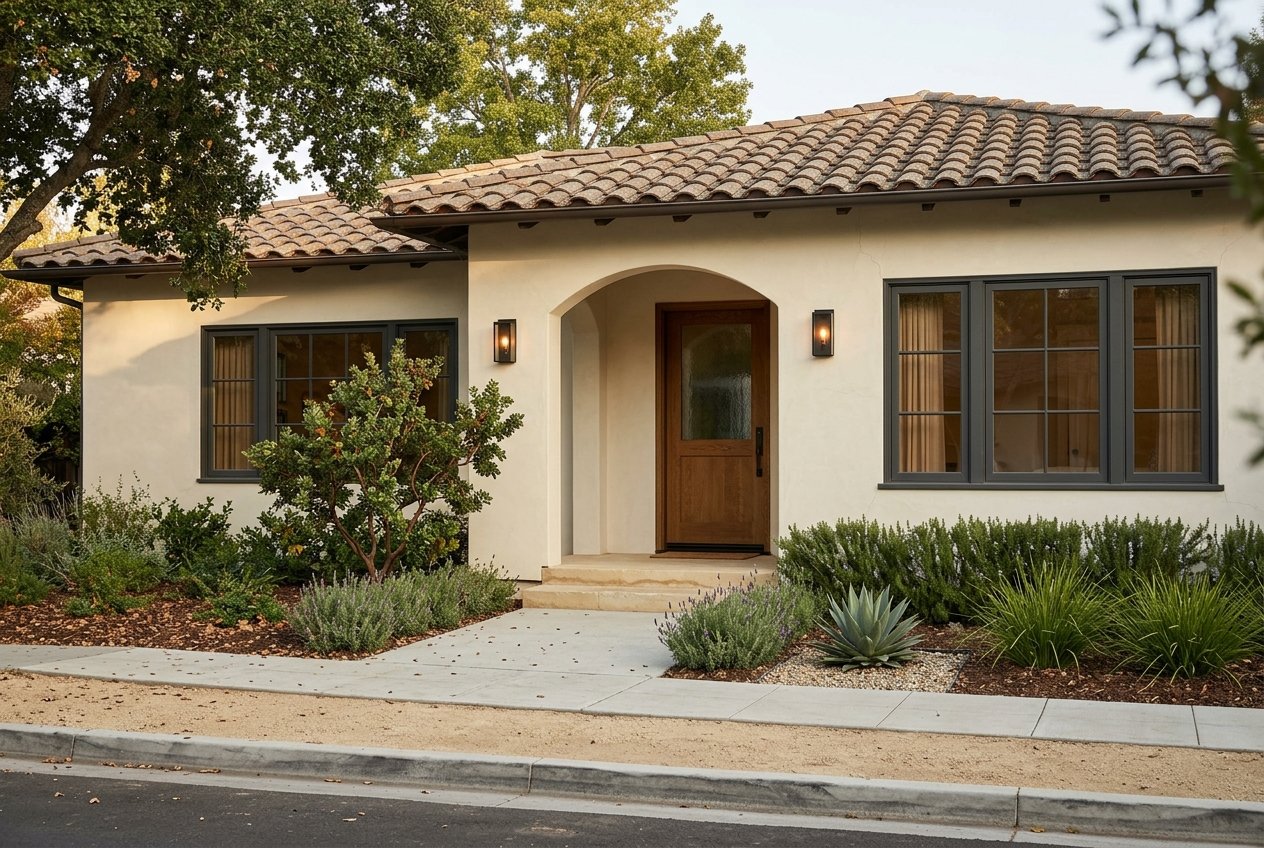
- What you see: Stucco walls in white or earth tones, low-pitched red clay tile roofs, arches at doors and windows, wrought-iron accents, and courtyards or patios.
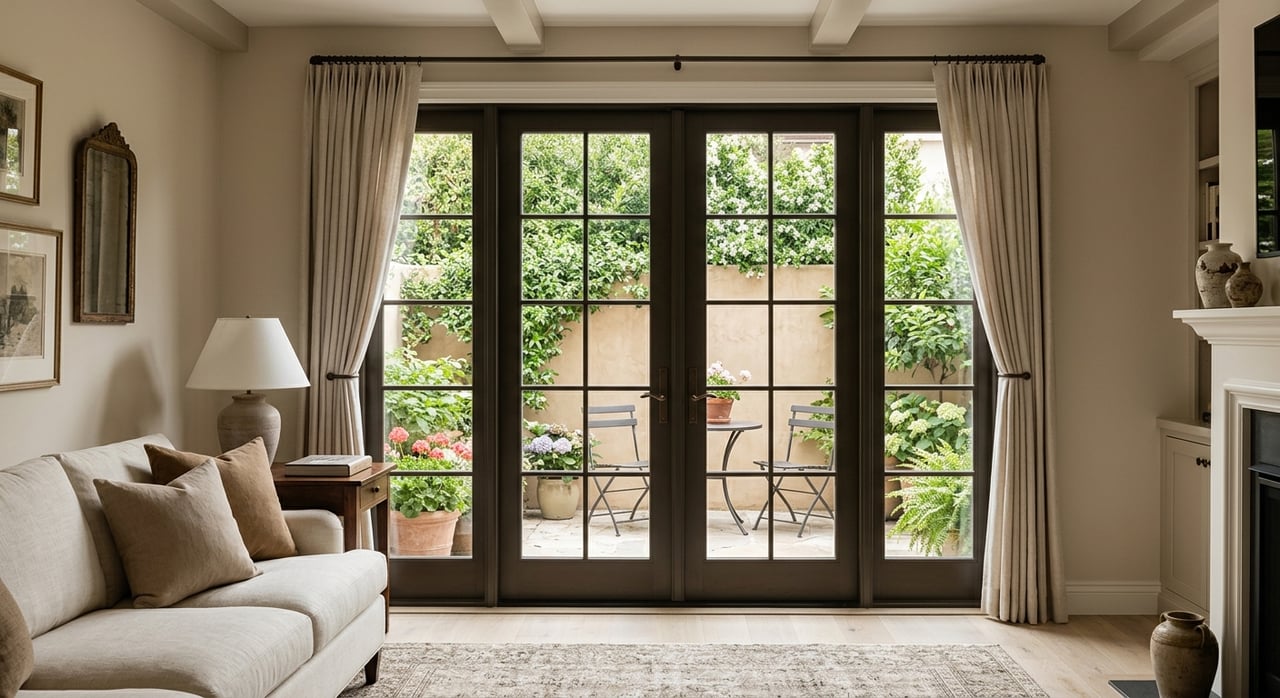
- Typical layout: Asymmetrical plans with larger rooms than bungalows. Living spaces and bedrooms often frame a central courtyard for easy indoor-outdoor living.
- Maintenance focus: Stucco can crack and needs compatible repair materials. Clay tile roofs require careful maintenance and occasional tile replacement. Watch for moisture in courtyard areas and older plaster interiors.
- Retrofit priorities: Seismic upgrades are often recommended. Drainage planning around courtyards protects stucco and foundations.
- Resale notes: The classic Southern California style and private courtyards have broad appeal, especially when the roof and stucco are well cared for and landscaping is inviting.
Tudor and other revival styles
- What you see: Steeply pitched roofs, decorative half-timbering, tall narrow windows, brick or stone accents, and prominent chimneys.
- Typical layout: More formal room divisions than bungalows. Kitchens in original homes tend to be smaller. Some have finished attics that add cozy bonus space.
- Maintenance focus: Exterior timber trim, masonry chimney upkeep, and careful attention at roof-to-wall junctions. Standard updates for HVAC and electrical are common.
- Resale notes: Period charm attracts buyers who want a storybook look. Value depends on condition and how sensitively kitchens and baths are modernized.
Mid-century modern and ranch
- What you see: Low or flat roofs, large windows or clerestories, post-and-beam structure in higher-end examples, and a clean connection to the landscape.
- Typical layout: Open living, dining, and kitchen areas. Many are single story with sliding doors to patios or yards. The emphasis is on light and flow.
- Maintenance focus: Big single-pane windows can be inefficient and may need upgrades. Low-slope or flat roofs require attention to drainage. Original HVAC and insulation often lag modern energy standards.
- Retrofit priorities: Insulation and HVAC upgrades boost comfort. Window retrofits should respect sightlines. Roof drainage is critical for durability.
- Resale notes: Demand is strong among design-minded buyers. Homes that preserve mid-century details while improving performance are especially desirable.
Historic estate homes
- What you see: Larger lots, formal historic styles like Mediterranean, Tudor, or Colonial Revival, mature landscaping, and sometimes ancillary structures.
- Typical layout: Multiple formal rooms, service areas in older estates, and multi-level plans on hillside sites. Outdoor spaces may include terraces and gardens.
- Maintenance focus: Significant landscape and hardscape care, older mechanical systems, and potential deferred interior maintenance. Hillside sites call for careful attention to access, retaining walls, and drainage.
- Wildland interface: Properties near open space benefit from defensible space, ember-resistant features, and thoughtful vegetation management.
- Resale notes: Estates appeal to a focused buyer pool. Condition, setting, views, and historic significance drive value.
Upgrades that matter in Altadena
Older homes often trade on character, but systems need to keep pace with safety and comfort. Prioritize upgrades that protect your investment and preserve the look.
- Electrical and plumbing: Replace hazardous wiring and update panels. Address old galvanized or cast-iron plumbing.
- Seismic: Foundation bolting, cripple-wall bracing, and chimney reinforcement for pre-1950 homes.
- Roofing: Maintain clay tile and low-slope roof systems. Address flat-roof drainage on mid-century homes.
- Kitchens and baths: Update for function while keeping period-appropriate materials and profiles.
- Windows and insulation: Improve energy performance while preserving original frames and sightlines where possible.
- Landscaping: Balance curb appeal with water efficiency and defensible space in foothill areas.
Permits, historic status, and ADUs
Altadena is unincorporated, so you work with Los Angeles County for permits, inspections, and zoning. Always confirm permit history through county records during due diligence.
Some properties or blocks may be historically significant. Local groups identify notable homes, and certain designations can affect exterior changes and create incentives for preservation. Before planning a remodel, confirm whether any historic review applies.
Accessory Dwelling Units are enabled by California law, subject to county permitting. Setbacks, utility connections, and any hillside or historic constraints will shape feasibility. Check requirements before you draw plans.
Seismic and wildfire essentials
Many Altadena homes were built before modern seismic codes. Budget for structural inspections and likely retrofit measures. Work with engineers who know California standards.
Parts of Altadena lie in the wildland-urban interface. You can reduce risk with defensible-space clearance, ember-resistant materials, and routine brush management. These steps also support insurability and peace of mind.
Which style fits your lifestyle
Use these quick matches to focus your search and set expectations.
- Craftsman bungalow or small revival: You want character, a manageable footprint, and a welcoming porch. Plan for system upgrades and a more compartmentalized layout.
- Spanish Colonial or Mediterranean: You value privacy, courtyards, and indoor-outdoor living. Expect tile roof and stucco care.
- Mid-century or ranch: You prefer open flow, light, and a modern aesthetic. Plan energy and roof performance upgrades.
- Historic estate: You want space, privacy, and a signature setting. Expect higher maintenance, specialized contractors, and a more targeted resale market.
Seller tips to maximize resale
You can protect historic charm and still present a move-in-ready home. Focus your time and budget where buyers notice and inspectors dig deep.
- Tackle safety and systems first: Electrical panels, hazardous wiring, plumbing leaks, and roof issues.
- Plan targeted updates: Refresh kitchens and baths with materials that complement the home’s era.
- Elevate presentation: Landscaping, lighting, and minor carpentry on porches, trim, and doors go a long way.
- Document improvements: County-permitted work, warranties, and repair receipts build buyer confidence.
- Consider concierge-style prep: Coordinated pre-sale improvements and polished marketing can shorten time on market and elevate offers.
How to shop and inspect smarter
- Bring a style checklist: Note roof type, windows, siding or stucco, and any visible porch or beam details.
- Ask for permit history: Confirm additions, electrical panels, window replacements, and seismic work.
- Order the right inspections: General home, roof, sewer, chimney, and structural where appropriate. For hillside properties, consider drainage and retaining wall evaluations.
- Price upgrades: Get estimates for high-impact items like seismic, roof, and HVAC so you can plan with clarity.
Putting it all together
Altadena rewards buyers and sellers who respect the architecture and address the essentials. When you pair original character with thoughtful upgrades, you create a home that lives beautifully today and sells well tomorrow. If you want help choosing the right style, planning smart improvements, or positioning your home with polished marketing, let’s talk about your goals and timeline.
Ready to explore your options or prep a standout listing? Connect with Megan Ferrell for tailored guidance in Altadena and the San Gabriel Valley.
FAQs
What defines an Altadena Craftsman bungalow?
- Look for low-pitched gables, exposed rafters, tapered porch columns, built-in woodwork, and compact 1 to 1.5 story layouts with strong porch connections.
How does a Spanish Revival layout typically flow?
- Rooms often frame a central courtyard, with larger living spaces and arched openings that support easy indoor-outdoor living and privacy.
What mid-century maintenance issues should I expect?
- Single-pane expanses of glass, low-slope or flat roof drainage concerns, older HVAC, and limited insulation often need performance upgrades.
Are Altadena permits handled by the city or county?
- Altadena is unincorporated, so permits, zoning, and inspections are handled by Los Angeles County; verify permit history through county records.
Do older Altadena homes need seismic retrofits?
- Many pre-1950 homes benefit from foundation bolting, cripple-wall bracing, and chimney reinforcement; consult a qualified structural engineer.
Can I add an ADU to a historic Altadena property?
- California enables ADUs, but county permitting, site constraints, and any historic or hillside reviews will shape feasibility and design.