Wondering whether a Craftsman, Spanish Revival, or Mid-century Modern home is worth more in Pasadena? It is a smart question, especially in a city where architecture is part of daily life and part of the real estate conversation. If you are buying, selling, or planning updates, understanding how style affects value can help you make better decisions. Let’s dive in.
Why architecture matters in Pasadena
Pasadena is not a market where architecture is just a nice bonus. The city identifies itself as a center of architecture in Southern California, with more than 200 designated historic sites and 26 historic neighborhoods. Many areas also have landmark or historic district status, which means a home’s design can shape both buyer interest and what changes may be approved.
That matters even more in a competitive market. Over the three months ending in April 2026, Redfin reported a median Pasadena sale price of $1,224,368, with homes receiving about four offers on average and selling in about 33 days. More than half, 55.7%, sold above list price.
In a market like that, style can absolutely help a home stand out. Still, style alone does not carry value by itself. Condition, pricing, presentation, and how well the home expresses its architecture usually matter more.
Which Pasadena styles draw the most interest?
Pasadena has a wide architectural mix, but a few styles consistently feel most tied to the city’s identity. These are often the styles buyers recognize quickly and respond to most strongly.
Craftsman and California Bungalow
Craftsman homes are deeply connected to Pasadena’s early residential history. The city’s historic materials note that the Craftsman bungalow became a favorite house type in the first decade of the 20th century, and Bungalow Heaven was built largely between 1906 and 1914, with most homes designed as California Craftsman bungalows.
For sellers, that local connection can be a real advantage. A Craftsman that still has its original look and key details is often easier to position as a distinctly Pasadena property, not just an older house. Buyers tend to respond to that authenticity.
Original windows, doors, porches, trim, and ornamentation help reinforce that value story. If those features have been removed or the house has been remodeled in a way that mixes styles, the home may lose some of the character that makes it feel special in the first place.
Spanish Colonial Revival
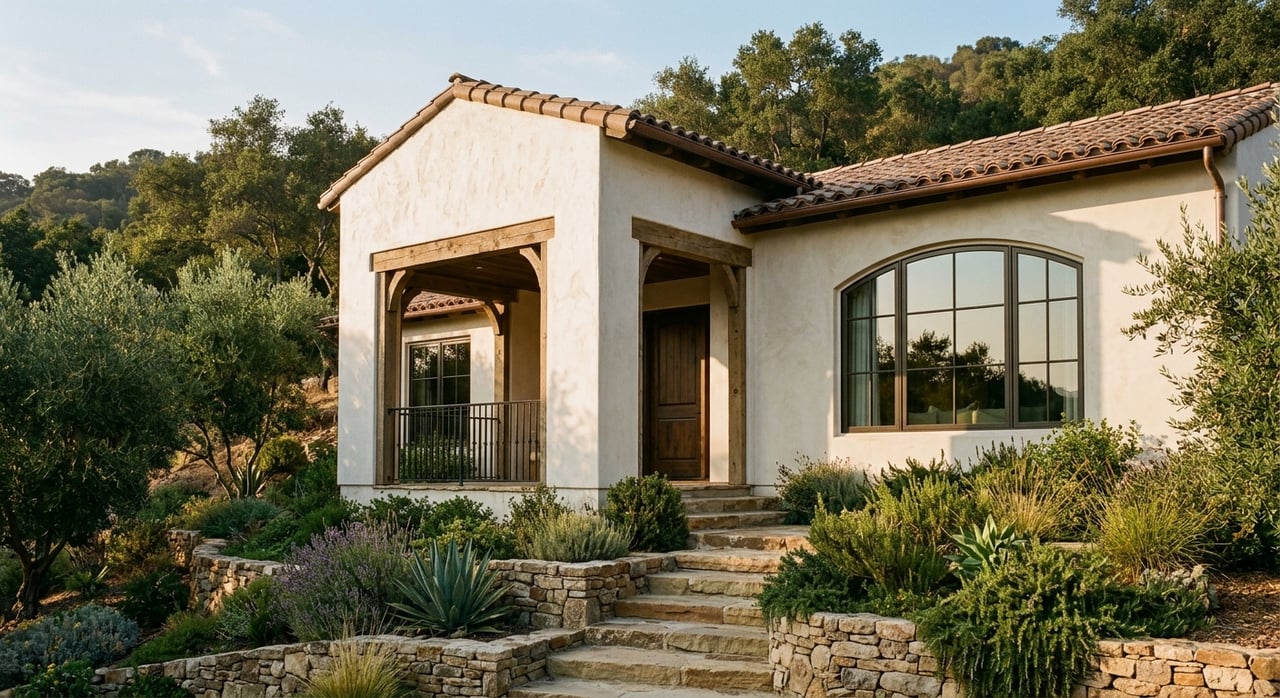
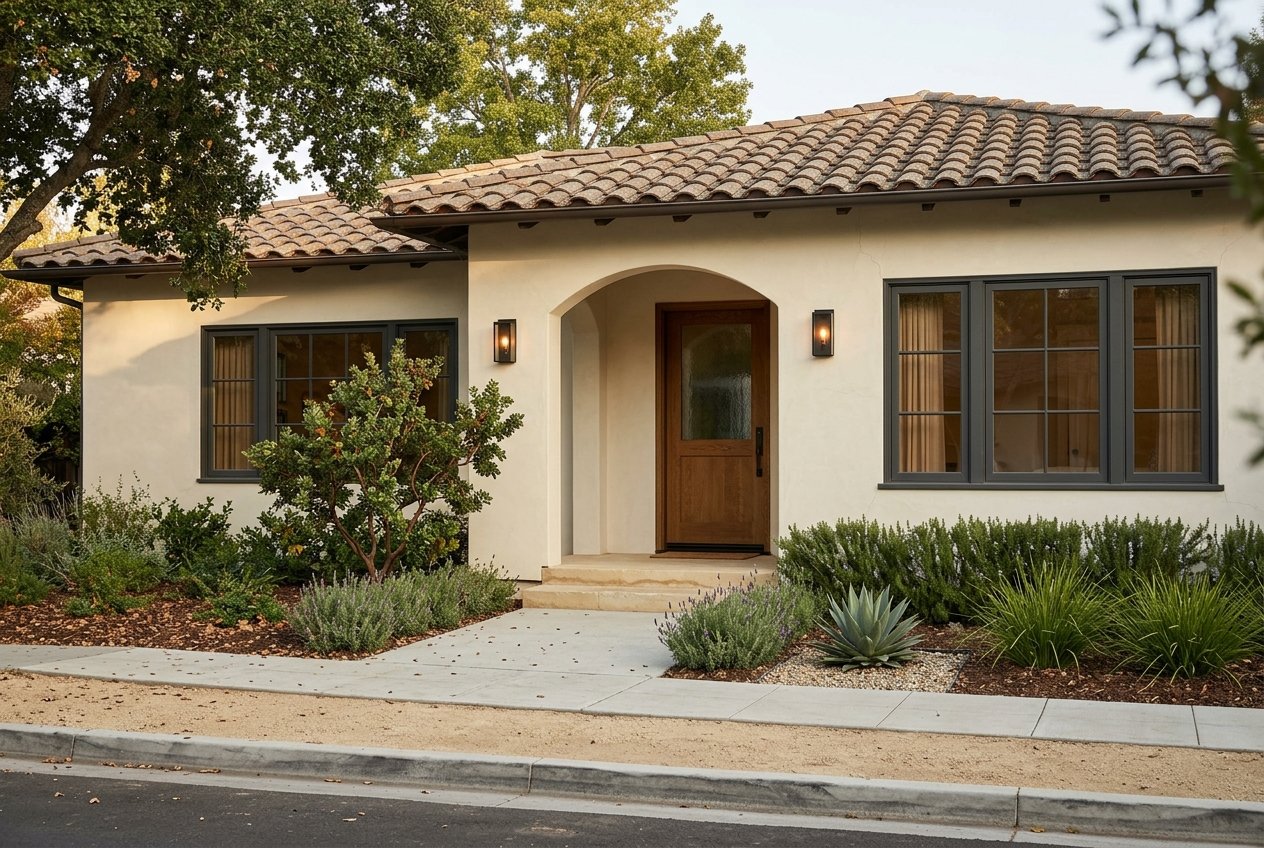
Spanish Colonial Revival is another style that feels natural in Pasadena. The city identifies it as one of Pasadena’s major period-revival styles, especially from the 1920s, and notes that Spanish Colonial Revival buildings are common throughout Pasadena and Southern California.
That local familiarity matters. Buyers often see a well-preserved Spanish Revival as historically grounded and visually intentional, especially when the original form and materials still read clearly.
In practical terms, the strongest Spanish Revival homes are usually the ones that feel cohesive. A thoughtful home with clear architectural identity tends to make a stronger impression than a generic remodel that leaves only a few stylistic hints behind.
Mid-century Modern
Mid-century Modern also has an important place in Pasadena’s architectural landscape. The city includes Mid-century Modern among its key postwar styles and notes notable modernist works by local practitioners.
This style can attract very motivated buyers, but the audience is often a bit more specific. In many cases, Mid-century homes perform best when the design is easy to recognize, the updates feel thoughtful, and the setting supports the architecture.
That does not mean every Mid-century home receives a predictable premium. Research cited in the report shows that style can affect resale prices, but style, quality, vintage, and location are closely linked. In other words, buyers may love the style, but they are still judging the whole package.
Do newer homes compete differently?
Yes. In Pasadena, newer construction and infill homes usually compete on a different value story than historic homes do. They often win buyers over with floor plans, finish level, lot utility, and modern function rather than architectural pedigree alone.
That said, design still matters here. Pasadena requires design review for new construction and major exterior alterations throughout the city, and design guidelines also apply to new buildings in landmark and historic districts.
So while a newer home can absolutely sell well in Pasadena, its value often comes more from livability and neighborhood fit than from a specific historic style label. A well-designed newer house that feels appropriate for its setting can compete very effectively.
What affects value more than style?
If you are trying to estimate what a Pasadena home is worth, style is only one part of the picture. These factors usually shape value more directly.
Architectural integrity
In Pasadena, integrity matters. The city’s preservation guidance emphasizes keeping character-defining features such as front-facing windows, doors, porches, ornamentation, and original materials.
That means buyers often respond best to homes that still look true to themselves. A house does not need to be untouched, but updates tend to work best when they support the original design rather than compete with it.
Historic designation and review
Historic status does not prevent a property from being sold or occupied. But in Pasadena, landmark district designation can affect demolitions, visible exterior changes, additions, new garages, and new construction through a Certificate of Appropriateness review process.
For buyers, this can shape future plans. For sellers, it can be either a benefit or a complication, depending on the buyer and the property. Some buyers value the protection and identity that come with designation, while others focus on the limits around exterior changes.
Neighborhood context
Architecture often performs best when it fits the surrounding block or district. Pasadena’s built environment reflects different development periods, from late-19th-century neighborhoods to early-20th-century and postwar areas.
That broader setting can strengthen a home’s appeal. A style usually feels more valuable when it belongs naturally to the street around it, rather than standing apart in a way that feels disconnected.
Condition and presentation
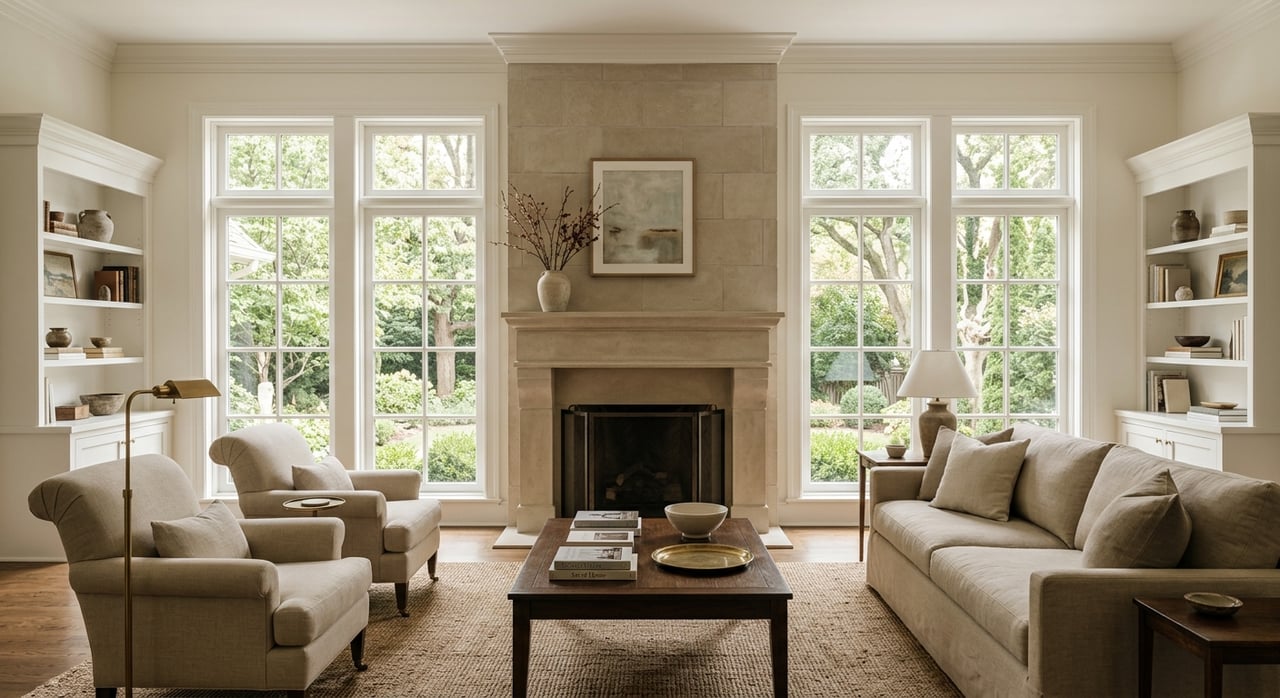
Even in an architecture-focused market, buyers still notice basics first. Deferred maintenance, awkward updates, and poor presentation can weaken the impact of a beautiful style.
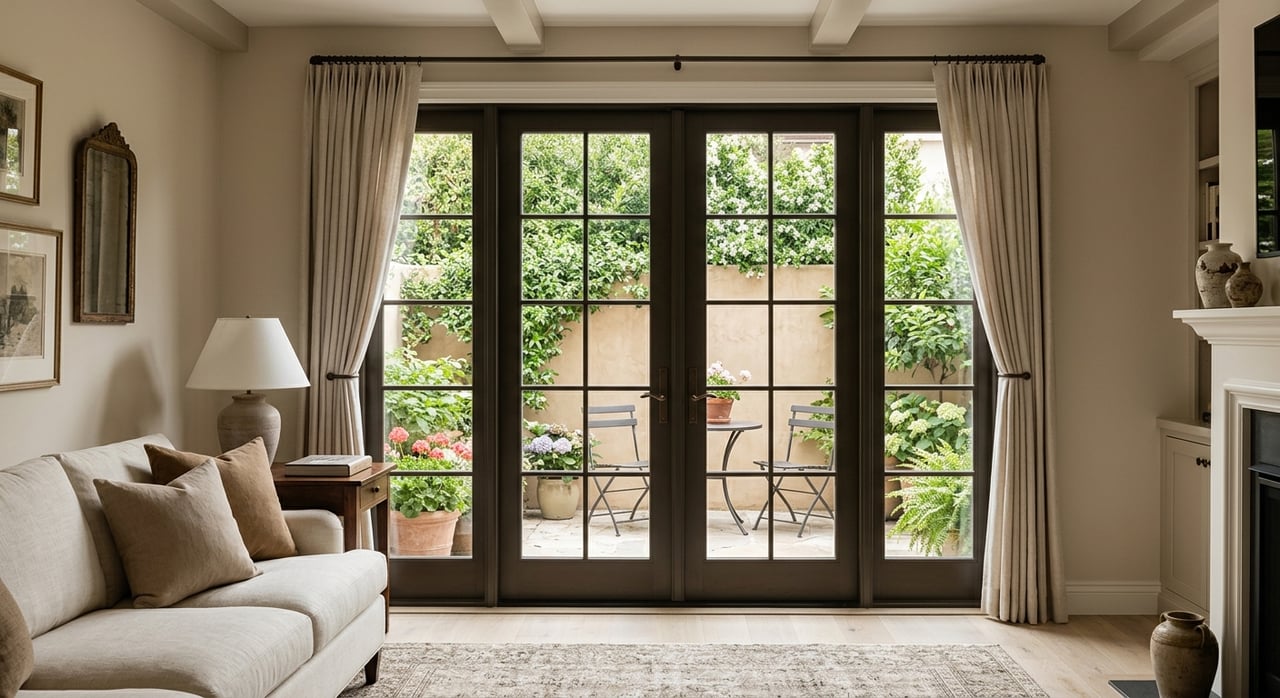
On the other hand, strong preparation can help buyers see the architecture more clearly. Clean lines, appropriate landscaping, polished photography, and thoughtful pre-sale improvements often make the style story easier to understand and easier to market.
Is there a single style premium in Pasadena?
No, not in any simple or universal way. The research report is clear that there is no one premium you can assign to style alone.
A peer-reviewed study found that architectural style can affect sale prices, but also stressed that style overlaps heavily with vintage, quality, and location. The broader research on historic designation is mixed as well, with positive, neutral, and negative findings depending on the city and method studied.
For Pasadena homeowners, the better question is not, "Which style is worth the most?" It is, "How well does this home express its style, how strong is its condition, and how well does it fit its setting?"
What sellers should do before listing
If you own an architecturally distinctive home in Pasadena, your goal is usually not to erase its age or redesign it into something trendier. The smarter move is often to preserve what makes the house recognizable while improving how it shows.
A strong pre-listing strategy may include:
- Repairing rather than replacing original details when possible
- Avoiding remodel choices that mix styles or blur the home’s identity
- Improving systems and function without stripping visible character
- Confirming whether the property is in a landmark or historic district
- Using photography and marketing that highlight architectural features clearly
This is where local strategy matters. In Pasadena, buyers often respond to homes that feel intentional, well-cared-for, and true to their design.
What buyers should check first
If you are buying in Pasadena, style should never be judged by curb appeal alone. Before you fall in love with a façade, it helps to look one layer deeper.
Start with these questions:
- Does the home still have strong architectural integrity?
- Is the property in a landmark district or historic neighborhood?
- Will exterior changes require city review?
- Have past renovations supported the original design or weakened it?
- Is the value coming from style, condition, location, or all three?
Those answers can affect both enjoyment and long-term resale. In many cases, they matter just as much as the style name in the listing.
The Pasadena takeaway
In Pasadena, architecture matters because the city itself values it. Craftsman, Spanish Colonial Revival, and Mid-century Modern homes often attract strong interest because they connect clearly to Pasadena’s history and visual identity.
But style is not a shortcut to value. The homes that tend to perform best are the ones with clear architectural integrity, good condition, strong presentation, and a setting that supports the design.
If you are preparing to sell or trying to understand what your home’s style means in today’s Pasadena market, working with a local team that knows how to position architecture thoughtfully can make a real difference. For tailored guidance on pricing, preparation, and presentation, connect with Megan Ferrell.
FAQs
How does architectural style impact Pasadena home value?
- In Pasadena, architectural style can influence buyer interest and marketability, but value usually depends more on integrity, condition, pricing, presentation, and neighborhood context.
Which architectural style sells best in Pasadena?
- There is no single best style in Pasadena, but Craftsman, Spanish Colonial Revival, and Mid-century Modern are especially tied to the city’s architectural identity and often draw strong buyer attention.
Does historic designation affect Pasadena home value?
- Historic designation can support desirability for some buyers, but it can also limit certain exterior changes because Pasadena requires review for demolitions and many visible alterations in designated areas.
Should you modernize a historic Pasadena home before selling?
- Usually, the best approach is to improve systems and presentation without removing character-defining features that help the home express its original style.
What should buyers review before purchasing an architectural home in Pasadena?
- Buyers should check the home’s architectural integrity, whether it sits in a landmark or historic district, and whether future exterior changes may require city review.