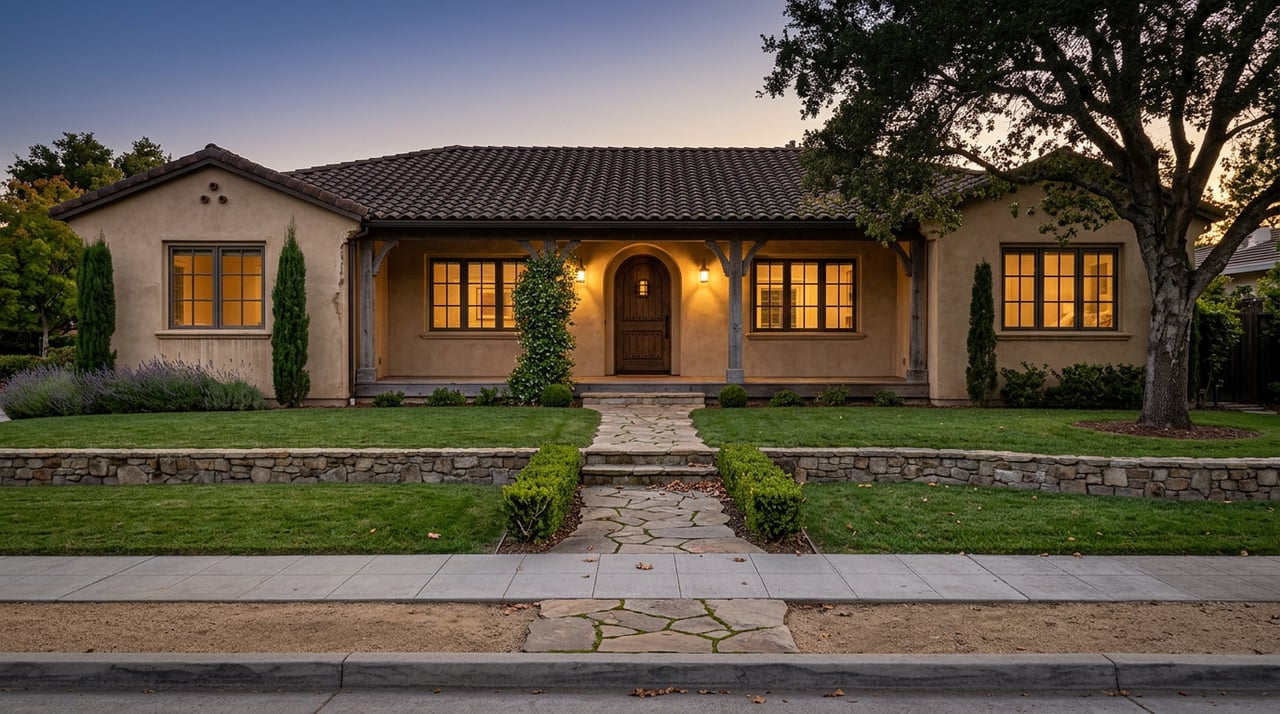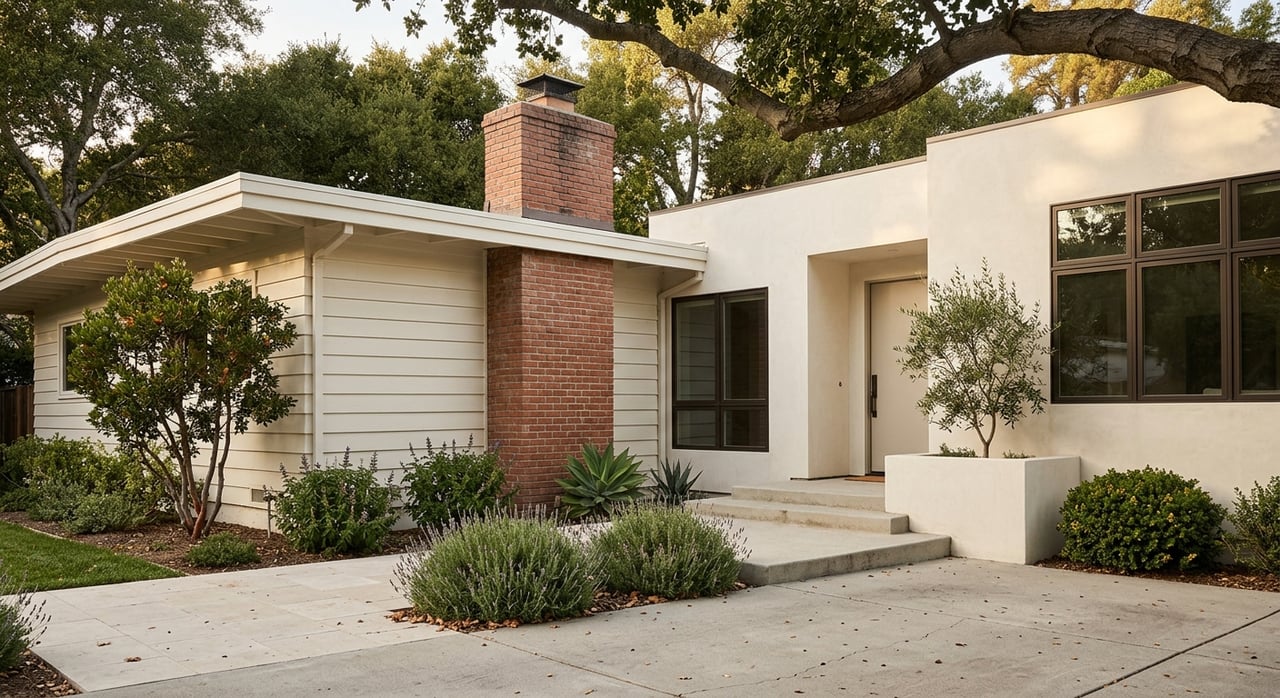
If you are torn between a classic ranch with mature trees and a brand-new rebuild with modern finishes, you are not alone. In La Cañada Flintridge, that choice is especially meaningful because the housing stock is older, the market is tight, and each property can come with very different opportunities and limits. If you are weighing character homes versus new builds, this guide will help you compare layout, upkeep, lot potential, and long-term value so you can buy with more confidence. Let’s dive in.
Why this choice matters in La Cañada Flintridge
La Cañada Flintridge is not a market of endless new subdivisions. It developed as a residential community beginning with the Flintridge and Alta Canyada subdivisions in the 1920s, and the city says housing choice remains limited compared with many other Los Angeles County communities.
That history still shapes what you see today. The largest share of homes was built in the 1950s, and the local mix includes early estate-era homes, postwar one-story residences, and later infill or replacement homes. In practical terms, buyers often find themselves choosing between an older home with architectural identity and a newer property designed for how people live now.
This is also a place where people tend to stay. Census QuickFacts shows a high owner-occupied rate and a large share of residents living in the same home one year earlier, which helps explain why available inventory can feel limited when you start your search.
What counts as a character home here
In La Cañada Flintridge, a character home can mean a few different things. It may be an older estate property, a mid-century residence, an architect-designed home, or a smaller postwar ranch with original details and a well-established lot.
The city’s architectural backdrop supports that range. Local historic sources document homes from the 1910s through the 1930s, including Paul R. Williams residences, and the city also includes notable mid-century design such as the 1948 Gainsburg House by Lloyd Wright. That variety is part of what gives the community its visual depth.
For buyers, character usually shows up in the feel of the property. You may notice mature landscaping, a more distinct exterior style, larger or more established lots, and a sense that the home was designed with a different era in mind.
Why buyers love character homes
Character homes often offer something that is hard to recreate. You may get architectural detail, a stronger sense of place, and outdoor spaces shaped by decades of growth rather than a recent landscape install.
In many cases, the lot is part of the appeal. Older homes were often sited before today’s common open-plan priorities, so you might trade a giant great room for a more settled lot feel and a more defined relationship between the house, yard, and street.
There can also be financial upside in specific cases. If you buy a designated historic property in La Cañada Flintridge, the Mills Act may reduce property tax bills by about 40% to 60% of the pre-contract rate, and that benefit transfers with the sale.
The tradeoffs of an older home
The biggest consideration is age. The city’s housing element states that homes older than 30 years typically need minor repairs and modernization, homes over 50 years often need major rehabilitation such as roofing, plumbing, and electrical work, and homes over 70 years are generally considered to have exceeded their useful life without major repair or renovation.
That does not mean older homes are poor choices. It does mean you need to look beyond charm and ask careful questions about condition, deferred maintenance, and what has already been updated.
For many buyers, the inspection phase becomes especially important with an original home. Key items to review often include:
- Roof
- Foundation
- Electrical wiring
- Plumbing
- Insulation
- HVAC systems
- Prior seismic work
Layout can also be a factor. Some older homes may not match current preferences for open kitchens, large primary suites, or flexible work-from-home spaces, so you will want to decide whether you can live with the existing plan or expect to renovate.
Renovating a character home
Renovation potential in La Cañada Flintridge can be meaningful, but it is not the same on every lot. In the city’s R-1 zone, floor-area standards vary by lot size, and projects on lots narrower than 80 feet that exceed 4,500 square feet of floor or roofed area trigger review.
Topography matters too. The city has single-family districts with minimum lot sizes ranging from 5,000 square feet to 10-acre hillside zones, and hillside rules apply to parcels with an average slope of 15% or greater. On those sloped lots, additions and rebuilds can face more review because the city aims to preserve natural land forms, views, open space, and semi-rural character.
If you are thinking about adding living space instead of doing a full replacement, there may be options. La Cañada allows ADUs and JADUs on many residential lots, and SB9 can allow urban lot splits or two-unit development in single-family zones, though historic resources are excluded and SB9 projects must meet very-high-fire-severity-zone requirements.
What new builds offer
New construction in La Cañada Flintridge is usually infill or replacement housing on existing lots. That is important because you are not comparing an old neighborhood to a brand-new master-planned community. In most cases, you are comparing two homes within the same built-out town fabric.
The main appeal of a new build is simplicity. A newer home is designed to current code, and for many buyers that means fewer near-term system concerns, better energy performance, and a layout that feels more aligned with current living patterns.
California’s 2025 Energy Code took effect on January 1, 2026 for new buildings and major renovations. The update increased efficiency standards for new single-family homes with tighter building envelopes, better windows, HVAC updates, stronger ventilation standards, and encouragement for heat-pump use.
For a buyer, that can translate to more predictable operating performance from day one. If you value turnkey living, modern systems, and a lower likelihood of immediate replacement costs, a new build may feel like the easier fit.
The realities of buying new here
A newer house does not remove every risk. In La Cañada Flintridge, fire resilience is part of the conversation for any property because the city says all of the community is within a very high fire severity zone.
That means even a brand-new home should still be evaluated in context. Access, defensible space, site constraints, and materials all matter, especially on hillside or more complex lots.
You may also find that a new build comes with a different tradeoff than an older property. In some cases, you are paying a premium for turnkey condition, efficiency, and a more current layout, while giving up some of the mature landscape, architectural personality, or lot feel that draws people to older homes.
How to compare the two options
The right choice usually comes down to your priorities, not a universal rule. In this market, it helps to compare homes through a few practical lenses.
Compare condition versus convenience
If you want minimal projects in the first few years, a new build or a comprehensively renovated home may make more sense. If you are willing to take on improvements for the sake of lot quality or architectural style, a character home may offer more emotional and long-term appeal.
Compare layout versus identity
Newer homes often win on open flow, larger kitchen-family spaces, and modern bedroom configurations. Character homes often win on architectural detail, curb appeal, and spaces that feel more distinctive.
Compare lot constraints carefully
Not every lot offers the same future flexibility. Flat parcels and wider lots may be easier to improve than narrower or sloped sites that trigger additional review.
Compare true ownership costs
A lower-maintenance home may cost more upfront but less in near-term repairs. An older home may have a lower entry point relative to a nearby rebuild, but you should budget realistically for updates, inspections, and possible system work.
How resale tends to work in this market
Current data points to a supply-constrained and competitive market. Redfin reported a March 2026 median sale price of $2.71 million, about eight offers on average, and roughly 32 days on market, while Zillow showed about 30 homes for sale as of March 31, 2026.
In that kind of environment, both character homes and new builds can perform well when they are priced and presented correctly. The more practical way to think about resale is not old versus new, but whether the home delivers usability, strong condition, and lot quality.
Well-kept character homes often resell best when they preserve their architectural identity while updating major systems such as roofing, plumbing, electrical, HVAC, and seismic improvements. Newer homes often resell best when the layout, efficiency, and use of the lot clearly justify the premium for turnkey living.
A smart buying framework for La Cañada
If you are deciding between these two categories, try this short framework before you write an offer:
- Define your tolerance for projects in the first two years.
- Separate cosmetic preferences from structural concerns.
- Ask whether the existing layout truly fits your daily life.
- Review lot width, slope, and any likely review triggers before assuming you can expand.
- Factor in fire-zone realities for any home, old or new.
- If the home is historic, understand the Mills Act benefits and obligations before moving forward.
That process can save you from falling in love with the wrong kind of house for your goals. In La Cañada Flintridge, a beautiful home is only part of the equation. The better question is whether it fits the way you want to live, maintain, and invest over time.
Whether you are drawn to the warmth of a classic ranch or the ease of a newly built home, buying well in La Cañada Flintridge takes local context and careful comparison. If you want thoughtful guidance on lot potential, resale considerations, or how a specific property fits your goals, Megan Ferrell can help you evaluate the options with clarity.
FAQs
What is a character home in La Cañada Flintridge?
- A character home in La Cañada Flintridge is typically an older property with architectural identity, mature landscaping, and a more established lot feel, such as an estate-era home, mid-century residence, or postwar ranch.
Are older homes in La Cañada Flintridge more expensive to maintain?
- They can be, because the city notes that older homes often need modernization, and homes over 50 years old may require major work such as roofing, plumbing, or electrical updates.
Are new builds common in La Cañada Flintridge?
- New builds are usually infill or replacement homes on existing lots rather than large-scale new subdivisions, since La Cañada Flintridge is a built-out community.
Can you add an ADU to a home in La Cañada Flintridge?
- In many cases, yes. The city allows ADUs and JADUs on many residential lots, though site conditions and local rules still matter.
Do hillside lots change renovation plans in La Cañada Flintridge?
- Yes. Parcels with an average slope of 15% or greater can be subject to hillside rules, and additions or rebuilds may face more review than similar projects on flatter lots.
Is a historic home in La Cañada Flintridge eligible for tax savings?
- Possibly. A designated historic property may qualify for the Mills Act, which can reduce property taxes, but it also comes with a 10-year contract and restoration requirements.
Which resells better in La Cañada Flintridge: a character home or a new build?
- Both can resell well. In this market, usability, condition, and lot quality tend to matter more than age alone.